
How to Prevent Theft in Grocery High-Risk Aisles with Targeted Security Measures
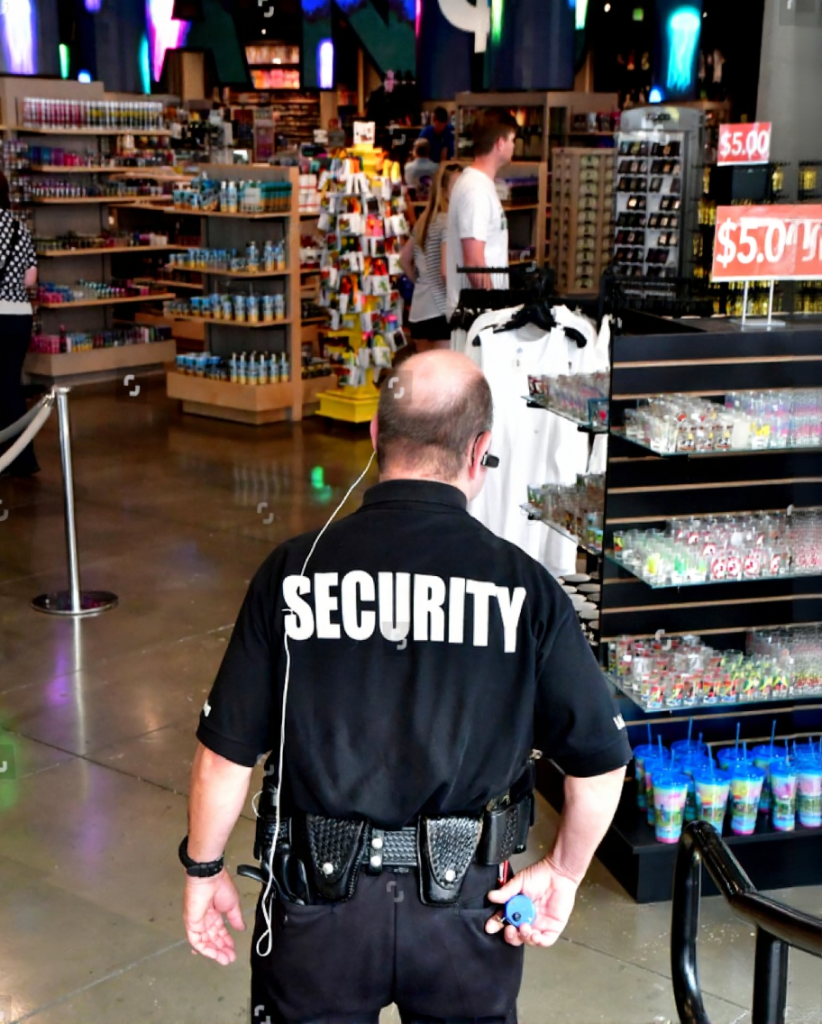
Grocery theft rarely spreads evenly across a store. Certain aisles see repeat losses, while others stay quiet for months. Yet many stores still rely on blanket CCTV coverage, tagging, or general patrols and expect uniform results. The problem is not that an effort that focuses on the Store layout, product type, and shopper behaviour shapes risk far more than overall footfall does. Some aisles invite concealment. Others sit just far enough from staffed areas to go unnoticed. Busy periods pull attention away, while quiet windows give opportunity for space to grow. This is why modern grocery theft prevention works best when it looks inward, not outward. Instead of asking how to protect the whole store equally, the smarter question is where theft actually forms, and why. Targeted security inside high-risk aisles allows stores to reduce loss without turning the shopping experience into something tense or restrictive. Why Theft Concentrates in Specific Grocery Aisles Theft patterns inside grocery stores are shaped by behaviour and environment, not chance. Product characteristics that attract theft Product characteristics that attract theft are usually obvious once you slow down and look. Items that are small and easy to carry create opportunities. They slip into pockets or bags without much effort, even when an aisle is busy, and it matters too. Products that cost more, or can be resold quickly, change the behaviour so that lower risk feels lower. The reward feels higher. Alcohol, health items, and premium food tend to sit in this space. People know what they are worth, both inside and outside the store. Over time, this creates patterns. The same aisles get tested again and again, not because of chance, but because they quietly offer the easiest return. Aisle layout and sightline weaknesses Aisle shapes the behaviour in quiet but predictable ways. Design matters more than most stores expect. Shelving can block clear views from the front of the shop, leaving pockets where activity goes unnoticed. End-of-aisle areas often fill up during busy periods, and that crowding creates cover without anyone meaning to. Distance plays a role, too. The further an aisle sits from tills or staffed counters, the safer it can feel to test limits. Time changes things. When someone believes they are not being seen, even for a moment, confidence grows. That is usually when boundaries start to move. Timing and traffic flow patterns Timing and traffic flow patterns shape theft more than most stores realise. Loss does not appear at random points in the day. It follows the routine. Busy periods pull staff into service, tills, and queues, leaving less time to watch what is happening further down the aisle. At the other end of the day, quieter hours remove natural observation altogether. Fewer shoppers mean fewer eyes. Shift changes and restocking create short windows where attention is split, and movement increases. During those moments, aisles are easier to test. When focus drifts to deliveries, pricing, or customers asking for help, oversight fades. That is when risk quietly rises, not because of chaos, but because no one is quite looking. Grocery Theft Prevention in High-Risk Aisles Preventing theft in grocery high-risk aisles with targeted security measures works best when stores stop reacting and start noticing patterns. Identifying high-risk aisles using store data Most stores already have the answers. Shrinkage reports show where loss returns. Refund patterns highlight stress points. Staff often notice repeat behaviour long before numbers confirm it. When reports, observations, and incident logs point to the same aisles, that overlap signals where risk keeps forming, not where it happened once. Targeted physical security measures Physical security works best when it blends in. Trained staff positioned near known problem aisles change behaviour without confrontation. People pause when they sense awareness. Movement matters more than stance. A calm presence that shifts with trading patterns disrupts routine and reduces opportunity without making shoppers feel watched or pressured. Technology that supports aisle-level prevention Technology adds value when it sharpens focus, not when it overwhelms staff. Adjusting camera angles often fixes blind spots faster than adding equipment. AI tools help flag unusual behaviour but should never replace judgment. Alerts work best as prompts, guiding attention to where something feels off, not making decisions alone. Staff positioning and behavioural disruption Most grocery theft depends on predictability. Staff who move differently break that rhythm. A pause and a short walk-through. A greeting that feels natural. These small actions introduce uncertainty. There is no accusation, no tension. Just a reminder that the aisle is not ignored, and behaviour is being noticed. Reducing theft without harming customer experience Heavy controls often create new problems. Locked cabinets slow down shopping. Too much tagging frustrates staff. Constant monitoring damages trust; targeted measures avoid this. They protect stock quietly while keeping aisles open and calm. When losses fall without drama, customers stay comfortable, and staff stay focused, the approach is working. Why Blanket Security Fails in Grocery Stores Blanket security looks efficient. Often, it isn’t. According to the police uk, the latest Office for National Statistics data, shoplifting offences in England and Wales reached record levels, with 516,971 incidents recorded in the year ending December 2024, reinforcing that retail theft is rising even as store-wide security measures expand. Over-reliance on static CCTV: Static cameras observe but do not intervene. They explain loss after the fact but rarely prevent it in real time. Random patrols vs pattern-based coverage: Random patrols feel fair, but ignore reality. Risk concentrates. Coverage should, too. Customer friction and staff fatigue: Heavy controls create resistance. Staff burnout. Shoppers disengage. Costs rise while losses remain. Measuring Success Beyond Shrinkage Numbers Good prevention shows up in behaviour before it shows up in reports. Incident frequency vs severity: Fewer repeat incidents in the same aisle signal progress, even if overall numbers change slowly. Staff confidence and reporting quality: When staff feel supported, reporting improves. That clarity strengthens future decisions. Insurance and audit confidence: Clear records and visible controls support insurance discussions and audit outcomes. Risk looks managed, not assumed.
Why Supermarkets Need Dedicated Security Teams for Safer Daily Operations
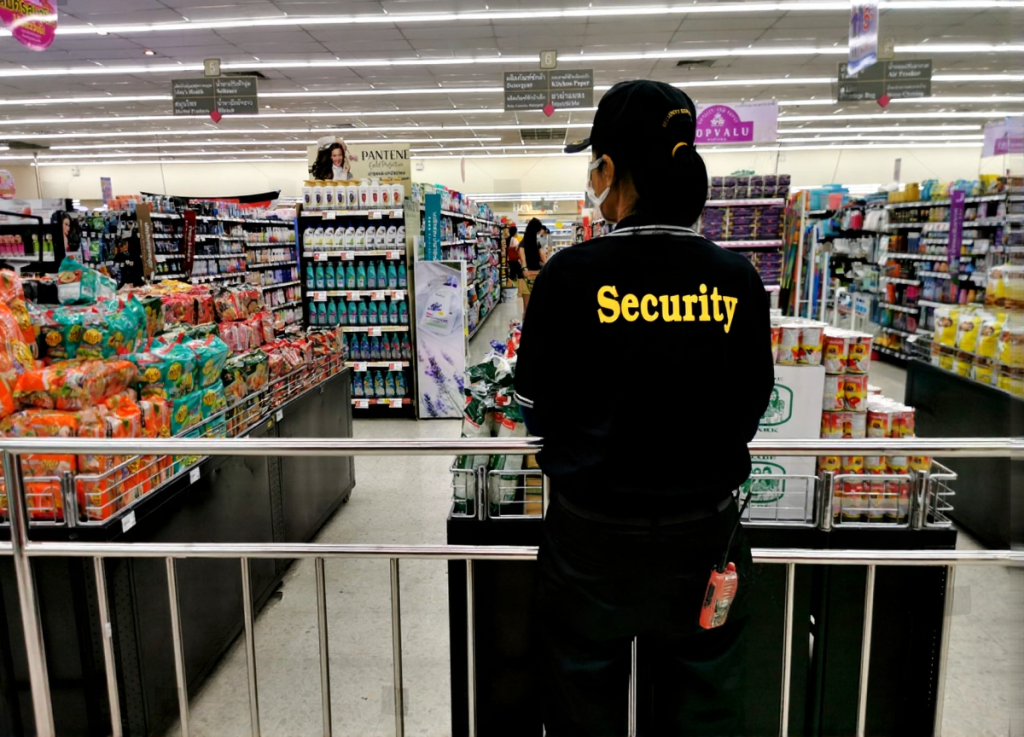
Supermarkets look calm from the outside, with bright lighting. Wide aisles, background music. Everything is designed to feel ordinary. Behind that calm, though, daily operations are under strain. Grocery stores deal with more foot traffic than almost any other retail format. Hundreds, sometimes thousands, of people move through the space every day. Many are in a rush. Some are frustrated. A few are looking for opportunities to exploit distraction and volume. That combination creates risk, not an occasional risk, but a constant risk. Unlike offices or specialist retail, supermarkets don’t get quiet hours. They don’t close between appointments. They stay open, exposed, and busy. And that’s exactly why safety can’t be left to chance or technology alone. Dedicated supermarket security teams exist to hold the line between smooth daily operations and chaos. Without them, small issues compound. The Role of Dedicated Supermarket Security Teams in Daily Store Operations Supermarket security teams are trained, on-site professionals whose sole responsibility is to maintain safety, order, and control inside grocery environments. They are not pulled away to cover staffing gaps. They are not unfamiliar faces rotating in and out. They are part of the store’s daily rhythm. Because they are present every day, supermarket security teams understand how the store actually works, not how it looks on paper. They know when pressure builds, where issues usually begin, and how small problems can grow if ignored. Maintaining a visible presence across the shop floor A visible security presence sends a clear signal without saying a word. It tells customers the store is looked after. It tells staff they are not alone. And for would-be offenders, it introduces hesitation, often enough to stop a theft before it starts. Unlike static guarding at entrances, supermarket security teams move. They walk aisles, change routes, and adjust their position based on activity. Peak hours look different from quiet mornings. Delivery times bring different risks than checkout rushes. Visibility adapts to those shifts. This movement matters, and Static security fades into the background. Active presence stays noticed. Staff also respond differently when security is clearly present. They are more confident asking for support. They are less likely to feel pressured into handling situations they’re not trained for. Over time, this changes how the whole store operates. Visible security doesn’t disrupt shopping. When done properly, most customers barely notice it. What they do notice is the absence of disorder. Observing behaviour patterns, not isolated actions Lingering too long in one aisle. Repeated returns to the same shelf. Watching the staff instead of the products. Testing self-checkouts without completing purchases. These are patterns, not crimes, but they matter. Supermarket security teams are trained to notice these small signals. Not to jump to conclusions, but to build context. One action means little. Repetition tells a story. This is where on-site experience becomes critical. Someone unfamiliar with the store won’t know what’s normal. Dedicated teams do. They recognise regular customers. They notice when behaviour doesn’t fit the usual flow. By observing patterns instead of reacting to single moments, security teams can step in early. Often, a simple presence nearby is enough to reset behaviour. No confrontation, no disruption. Just quiet prevention. This approach protects customers, too. It reduces false accusations and avoids unnecessary escalation, keeping the store calm and professional. Monitoring high-risk zones Every supermarket has pressure points like alcohol aisles and blind corners near exits. These areas attract more incidents because they combine value with opportunity. Security teams focus attention where it matters most. Self-checkouts, in particular, create challenges. Staff are busy, and the Systems flag errors late. By the time something is noticed, the customer may already be leaving. A trained security presence nearby changes that dynamic. Alcohol aisles bring different risks: theft, confrontation, and intoxicated behaviour. These situations escalate quickly without the right response. Security teams don’t hover. They position themselves strategically. Close enough to observe. Far enough to avoid tension. Their goal is control, not confrontation. Because they monitor these zones daily, they learn patterns. Which times are busiest? Which products are targeted? Which layouts cause blind spots? This allows stores to adjust placement and staffing over time. It’s a practical, living form of risk management. Supporting staff during tense or aggressive situations Arguments at checkouts. Refused refunds. Suspected thefts, Verbal abuse and these moments happen fast, and they put employees under pressure they weren’t hired for. Supermarket security teams act as a buffer. Their presence allows staff to step back instead of escalating a situation. They take over communication calmly and professionally. Often, just having a neutral authority figure changes the tone. This support has long-term effects. Staff feel safer. Confidence improves. Turnover drops. Employees are more likely to stay in environments where they feel protected. Security teams also understand when not to intervene aggressively. De-escalation is a skill that involves knowing when to listen. Knowing when to listen, when to redirect, and when to remove someone is learned through training and experience. The result is fewer incidents spiralling out of control, and fewer staff going home shaken. Intervening early, before incidents escalate The biggest value of supermarket security teams is timing. Most incidents don’t need force. They need interruption, a presence, a conversation, a moment that breaks momentum. Early intervention prevents embarrassment, injury, and escalation. It protects the business without creating scenes. Because security teams know the store’s rhythm, they sense when something is about to tip. A raised-voice crowd is forming, a customer pushing boundaries. Acting early keeps control. This approach also protects customers. Where the incidents occur in the store, it will become a spectacle and a quiet resolution to maintain the trust. Security isn’t about reacting after damage is done. It’s about stopping the chain reaction before it starts. That’s the difference dedicated teams make. The Reality of Risk in Supermarket Environments Grocery stores attract everyone. Families, elderly shoppers, Teenagers, and Commuters. People under stress. People under influence. That diversity increases unpredictability. Accessibility stock is openly displayed. Alcohol, meat, health products, baby formula,
What Makes a Security Company Truly Reliable? Key Qualities to Look For When Hiring
Reliability is one of those words that sounds simple until something goes wrong. People assume they’ll recognise it when they see it. In security, that assumption usually comes too late. Most failures don’t start with dramatic mistakes. They start quietly. A guard arrives late one evening. A patrol is skipped because “nothing ever happens there.” A report gets written fast and vaguely, just to get it done. None of these feels serious on its own. Over time, they stack up. Security today is woven into daily life. Office buildings expect it to work without interruption. Residential properties depend on it to stay calm and predictable. Events assume it will hold steady even when crowds grow restless. When security works, it fades into the background. When it doesn’t, everyone notices. This article isn’t about pricing, service packages, or equipment. It focuses on something more basic. The qualities that make a reliable security company dependable over time. Understanding Reliability in the Security Industry Reliability in security isn’t about bold claims. It’s about repetition. Doing the right thing once doesn’t count for much. Doing it every shift does. That matters because the environment doesn’t pause for anyone. Things happen constantly. According to the GOV.UK, UK police logged around 6.6 million offences in the year to June 2025. Even with a modest 1% dip from the year before, that’s still millions of moments where something went wrong somewhere, quickly, unexpectedly, and often without a second chance to reset. At that scale, reliability stops being a nice idea. It turns practical. Someone turns up. Someone stays switched on. Procedures don’t loosen just because it’s been quiet lately. And the pressure isn’t evenly distributed. Some incidents move fast. Very fast. In the year ending March 2025, police recorded roughly 53,000 offences involving knives or sharp instruments. These aren’t slow-building situations. When they kick off, hesitation costs time, and time isn’t available. This is where reliability actually shows itself, not in dramatic moments, but in the dull ones. Guards stick to routines even when no one’s checking. Access rules aren’t bent. Patrols still happen on nights when nothing seems likely to happen. Especially then. Basic service delivery is about presence: a uniform on-site and a familiar face. Reliable security goes further. It absorbs pressure without cracking. It keeps functioning when attention drifts, and fatigue sets in. And that consistency adds up. People relax when patterns don’t change without reason. Trust forms quietly. When reliability slips, everything turns reactive. Decisions rush. Small issues stack. That’s usually where control starts to unravel. Core Qualities That Define a Reliable Security Company Proven Operational Consistency Consistency in security is not exciting. That’s kind of the point. When things are working, they feel boring. Guards show up when they’re supposed to. Posts stay covered. Nobody has to chase anyone down to ask where they are. Reliable scheduling matters more than people think. Missed shifts and uneven patrols create gaps, even if they’re short. And gaps tend to invite problems. A dependable routine removes guesswork. Everyone knows what’s happening and when. Over time, this steadiness adds up. There are fewer disruptions. Fewer last-minute fixes. Less scrambling when something changes. Operational consistency doesn’t draw attention to itself, but when it’s missing, the difference is obvious very quickly. Professional Training Standards and Skill Readiness Training isn’t something you “finish” in security. If it is, that’s usually a bad sign. Situations change, risks shift, and people forget things faster than they expect. Ongoing training keeps skills sharp. It’s what turns theory into instinct. A guard who understands situational awareness notices small changes before they turn into problems. Someone trained in conflict handling knows when to step in and when to slow things down instead. Pressure is where training shows up. Not in perfect conditions, but in loud, messy moments when decisions have to be made quickly. Reliable security means responding without panic, sticking to protocol even when adrenaline kicks in. That kind of control doesn’t come from guesswork. It comes from preparation. Strong Internal Management and Supervision Good security rarely happens by accident. It’s managed. Supervision keeps standards from drifting. Reporting systems catch patterns early. Accountability ensures problems don’t get ignored just because they’re inconvenient. Without internal oversight, lapses become habits. Guards cut corners. Communication weakens. Coverage gaps grow slowly, often unnoticed until something happens. Strong management doesn’t hover. It supports consistency. Supervisors check in, correct issues, and keep expectations clear. When management is steady, frontline performance tends to be steady too. That stability is easy to overlook, but hard to replace. Clear Communication and Responsiveness Reliability depends on communication more than many realise. When something changes, clients expect timely updates. When incidents occur, reports must be accurate and complete. Clear communication builds confidence. It shows that nothing is being hidden or ignored. Reliable providers document events clearly and share relevant details without delay. This transparency helps clients make informed decisions and plan responses. Responsiveness matters just as much. Questions should not linger. Concerns should not be brushed aside. A dependable operation responds quickly, even when the issue seems minor. Over time, this responsiveness becomes part of the trust relationship. Ethical Conduct and Trustworthiness Security work involves access. Personnel may enter private spaces, handle sensitive information, or observe daily routines. Ethical conduct is not optional in these environments. Background screening and clear codes of conduct help reduce risk. More importantly, they set expectations. Guards understand what behaviour is acceptable and what is not. Ethical standards guide decisions when rules alone are not enough. Trust develops slowly and breaks quickly. A reliable security company protects that trust through consistency, honesty, and accountability. Without integrity, even the most advanced systems lose their value. Why Choosing a Reliable Security Company Matters Long-Term Short-term security failures are obvious. Long-term unreliability is quieter and often more damaging. When consistency drops, risk increases. Assets remain exposed. Staff feel uncertain. Operations lose stability. Over time, people stop trusting the security setup altogether. Reliability reduces these risks by limiting human error and neglect.
The Importance of Mobile Patrols for Multi-Site Businesses to Maintain Consistent Security
Operating a business across multiple locations changes how security works. What feels manageable at one site becomes harder to control when that site turns into ten. Retail chains expand. Warehouses are spread out. Office parks grow into clusters. Each location comes with its own layout, hours, and risk profile. The problem is not a lack of security tools. It is inconsistent. One location may have strong coverage. Another relies on cameras that no one checks unless something breaks. Static guards help, but they stay in one place. Monitoring systems collect data, but they do not act on it. Over time, these gaps become patterns, incidents repeat, response slows, and oversight weakens. This is where mobile patrols for multi-site businesses introduce movement into a system that often feels stuck. Instead of treating each site as an isolated concern, they connect locations under a shared approach. The goal is not just coverage. It is consistent across sites, shifts, and changing conditions. Why Mobile Patrols for Multi-Site Businesses Are Essential for Consistent Security Understanding Security Gaps in Multi-Site Operations Security problems across multiple sites rarely show up all at once. They creep in. A missed patrol here. A delayed response there. Over time, these small lapses start to connect, and that’s when risk grows quietly. Not every location faces the same threat. A busy high-street shop deals with constant foot traffic and theft. A warehouse on the edge of town may sit empty for hours, especially at night. According to The Guardian News, shoplifting offences in England and Wales hit a 20-year high in 2023, putting extra pressure on retail locations that already struggle with visibility and staffing. Guard presence often shifts from site to site. Some locations have people on the ground. Others rely on alarms or cameras that are checked late or not at all. When systems don’t talk to each other, delays become common. Communication adds another layer of risk. What one site experiences may never reach another. Local teams adjust rules to fit their space. Over time, those adjustments drift. What looks like flexibility on paper becomes inconsistency in practice, and that’s where security gaps widen fastest. How Mobile Patrols Create Uniform Security Standards Movement brings structure. Mobile patrols follow defined routes, but not rigid ones. Schedules exist, yet timing varies. This mix matters. Predictability invites problems. Standard procedures apply across locations. Entry checks look the same. Perimeter inspections follow the same steps. Reports use the same format. This does not remove flexibility. It removes confusion. Regular patrol movement also changes perception. A visible presence signals oversight. It reminds staff, visitors, and potential intruders that locations are monitored, even when no one appears to be inside. High-traffic sites and quieter properties receive attention through the same framework. That balance helps prevent neglect at lower-profile locations, where issues often grow unnoticed. Consistency in reporting ties everything together. Over time, records reveal where risks repeat and where controls hold. Real-Time Visibility and Rapid Incident Response Cameras watch, patrols observe, that difference matters. Mobile security patrol services catch details that static systems miss. A door that does not close properly. A fence panel bent just enough to matter. Activity that feels off but does not trigger an alarm. When incidents occur, response is quicker because patrols are already in motion. They do not wait for a call from on-site staff who may not be present or trained to respond. During emergencies, coordination improves. Patrol units work from shared procedures, reducing hesitation and miscommunication. This matters most when time is tight. Documentation supports all of this. Patrol logs, inspection notes, and incident reports create a working record. Not just what happened, but what keeps happening. Cost-Efficiency Compared to Full-Time On-Site Security Permanent guards at every location sound reassuring. They are also expensive. For many businesses, they do not match actual risk. Commercial mobile patrols allow coverage to shift. Busy periods receive more attention. Lower-risk hours still get oversight, just without constant staffing. This flexibility supports growth. As locations are added, patrol routes adjust. Security scales without duplicating full teams at every site. Cost-efficiency here is not about cutting corners. It is about using resources where they matter most. Effective security balances presence with practicality. Enhancing Accountability and Compliance Across Locations Consistency makes accountability possible. Patrol logs confirm checks happened. Reports verify site conditions. Patterns become visible. This supports audits and compliance reviews. Clear records reduce uncertainty and provide proof of process, especially for remote or unattended locations. Over time, measurable indicators develop. Response times. Incident frequency. Inspection results. These indicators help businesses refine their approach to consistent security management. Accountability does not come from intention alone. It comes from structure, repetition, and documentation. Key Benefits of Mobile Patrols for Businesses with Multiple Locations One of the clearest benefits of mobile patrols for commercial properties is visibility. A moving presence discourages opportunistic behaviour in ways static tools cannot. Adaptability follows. Patrol schedules change as risks change. Seasonal shifts, construction, staffing changes; all of affect security needs. Mobile patrols adjust without major disruption. Centralised oversight simplifies decision-making. Instead of managing each site separately, leadership sees the bigger picture. Weak points stand out faster. Incident rates often decline over time. Faster response and routine inspections reduce opportunities for theft, vandalism, and unauthorised access. Coordination improves as well. Locations stop operating in silos. Shared procedures create clarity. For management, this leads to something less tangible but important: confidence. Knowing that security is consistent across sites changes how risks are handled. Industries That Benefit Most from Mobile Patrol Security Retail and Commercial Chains Retail locations deal with constant movement. Theft risk varies by location and time. Mobile patrols provide oversight without interfering with daily operations. Warehousing and Logistics Facilities These sites often cover large areas and operate overnight. Limited staff increases exposure. Mobile patrol security for large business operations helps monitor access points and respond faster. Corporate Offices and Business Parks Offices may seem low risk, yet they hold sensitive assets. Mobile patrols maintain oversight during off-hours
How Professional Security Guards Deter Crime More Effectively Than CCTV Alone Through Active Presence

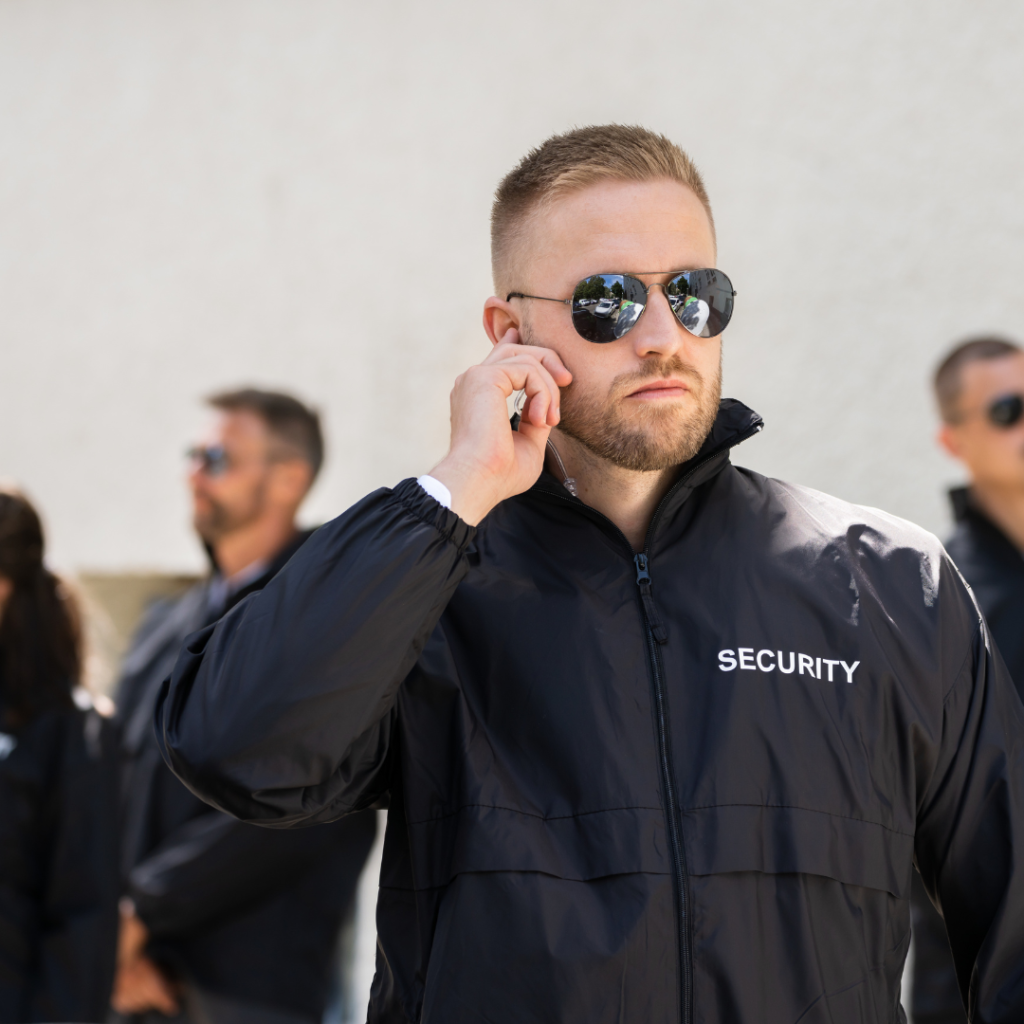
There’s a moment, a tiny shift in the air, that happens when professional security guards step into a space. You see it in the way people straighten up a little, how wandering eyes stop wandering, how someone who was pacing now decides they’re “just leaving anyway.” Cameras don’t create that reaction. They simply stare. A guard, on the other hand, shapes the atmosphere. Most offenders aren’t looking for a duel; they’re looking for an opportunity. A quiet corner. A distracted shop. A doorway that hasn’t been checked in a while. Uniformed guards disrupt every one of those comfort zones. Their routes aren’t predictable. Their timing isn’t perfect, but it’s close enough to make opportunists nervous. And that uncertainty, the “they might walk in any second” feeling, is one of the strongest crime deterrents we have. Cameras collect evidence; guards prevent the need for evidence in the first place. CCTV Alone Is Limited Without Human Intervention CCTV does its job, but only to a point. It watches everything, yet reacts to nothing. When something goes wrong, footage needs to be reviewed, interpreted, confirmed, and escalated. That takes time, and trouble unfolds faster than most people expect. A dispute can turn physical in seconds. A trespasser can disappear before an operator realises what they’re seeing. Then there’s the practical messiness: rain smearing a lens, a shadow making a doorway look occupied, a camera angled just slightly too high. Even good systems have blind spots you only notice once you’re already rewinding the footage. CCTV becomes crucial after an incident, a storyteller retracing steps, but while things are happening, only a person on the ground can intervene, redirect, calm a situation, or shut it down outright. Why Cameras Can Only Watch, Not Prevent CCTV matters. No question about it. But it has a very specific job, and that job stops short of prevention. A camera sees movement. It does not read intent. It does not feel like a situation turning sour. It cannot decide that this argument, right now, is the one that needs stepping into. When something tips over, a raised voice, a shove, someone slipping through a door they shouldn’t, the camera keeps rolling. That’s all it can do. By the time footage becomes important, the moment itself has usually passed. That isn’t speculation; it’s baked into how police treat CCTV. Official UK police guidance focuses heavily on image quality, retention, export formats, and playback standards, all the things needed so footage can be retrieved, reviewed, and used after an incident. In other words, CCTV earns its real value once events are already being reconstructed, not while they are unfolding. And that gap matters. Because real-time safety lives in the seconds before escalation, not the hours spent reviewing recordings. CCTV explains what happened. Human judgment decides whether it happens at all. Professional Security Guards – Preventing Crime Through Active Vigilance They see the things a camera misses. A jaw that tightens. Fingers that won’t stop tapping. A pace that shifts from casual to tense. Small signs. Big meaning. Spotting those micro-moments lets a guard move first. A quiet “You all right?” at the right time. A step between two people. A purposeful block of a door. These aren’t theatrics, they’re quick, practical moves that stop trouble before it starts. (Also: people respond to a human voice. Cameras don’t get that.) Guards don’t just react; they read patterns. They know who belongs, who doesn’t, and what normal looks like on any given day. That context, plus training and a sharp gut, helps them decide: watch, speak, or act. Cameras log what happened. Guards change what happens. That difference is why active vigilance beats passive watching when safety matters. How Professional Security Guards Actively Prevent Crime Real-Time Decision Making and Instant Response Guards spot things a camera never will. A clenched jaw. Fingers that won’t stop tapping. A stride that turns nervous. From across the floor, those signs look tiny; up close, they read like a warning. Catching that half-second lets a guard step in, sometimes just a quiet, “You all right?” and defuse the moment before it becomes something worse. Physical Intervention and Access Control If someone pushes their luck at a restricted door, a guard’s presence becomes a line they can’t cross. They can step in, check who the person is, and shut the situation down quickly. Cameras don’t stop breaches; they just record them. Crowd and Situation Awareness Busy environments move like tides. Guards read the ebb and flow, nudging groups, calming stressed visitors, and catching odd behaviour tucked between normal activity. They steer problems away from the point of escalation. Patrol Visibility and Environmental Control Guards don’t just walk; they shape the surroundings. They adjust lighting, check exits, clear hazards, and revisit locations that feel “off.” This roaming, unpredictable presence tells potential offenders: someone is paying attention. Why Active Presence Outperforms Passive Surveillance Active security feels different the moment you’re near it. People talk to guards. They ask quick questions, share odd stories, or pass on a detail they didn’t think mattered. A camera never gets those scraps of real-world insight. A guard does. And those little comments, the cleaner noticing someone loitering, a staff member mentioning a tense customer from yesterday, often fill the gaps that screens miss. There’s also the part nobody can teach in a classroom. Instinct. Some guards pick up on a person’s mood before the behaviour even shifts. A twitchy hand. A glance that lingers too long. A strange pause. Cameras will show the action, sure, but they stay blind to the quiet “why” behind it. When something feels off, a guard reacts in the moment. Sometimes it’s a step forward, sometimes a simple hello. That tiny judgment call can redirect a situation before it ever turns into a problem. Surveillance records events. A guard changes them. Conclusion A shoplifter walking with too much purpose stops short when a guard says, “How’s your day going?” with a steady, watchful smile. A pair of
Top Emerging Security Threats UK Businesses Must Prepare For in 2025 to Safeguard Operations
Walk down any high street, warehouse strip, or late-night forecourt, and you’ll catch the same grim undertone: physical crime is edging back into daily business life, and it’s not subtle about it. The stats are worrying, sure, but it’s the atmosphere, tense shop floors, jittery managers, half-watched doorways, that really give it away. Economic strain, sharper organised groups, and a general fray in public behaviour have made risk feel close enough to breathe on you. Some incidents are pure chance. Others unfold with a level of planning that feels unnervingly slick. By early 2025, many UK businesses will have realised their old assumptions, timings, entry points, and even who poses a threat, don’t quite fit anymore. So preparation stops being optional. Not quick fixes. Not crossed fingers. Real, layered readiness. Because emerging security threats UK aren’t whispers in a report; they’re already on the doorstep. Top Emerging Security Threats UK Businesses Must Prepare For in 2025 Physical security risks, along with cybersecurity, rarely evolve in a straight line. They twist with the economy, move with political sentiment, and change when one criminal tactic stops working, and another catches momentum. As we look ahead, several threats stand out as both fast-growing and stubbornly persistent, demanding stronger protection strategies from UK organisations. Surge in Organised Commercial Burglary and Premises Break-Ins Organised commercial burglary is back, louder, sharper, and far more calculated than the old smash-and-grab chaos. These crews scout sites for days, sometimes weeks, then move with a precision that makes ordinary security gear feel years out of date. A shutter that once looked solid? Gone in under a minute. Retail parks, big warehouses, and those heaving logistics hubs, anything stacked with electronics, pharma stock, or branded goods, sit right in the firing line. Some raids look almost rehearsed. Portable grinders. Hydraulic spreaders. Vehicles used as battering rams. And they don’t stick to the predictable hours anymore; they dip in during weird lulls, when nobody’s watching too closely. If a site trims night staffing or leans on an alarm alone, it’s basically inviting attention. Preventive approaches that actually slow these gangs down include: These gangs adapt quickly. That means businesses must adapt faster. AI-Enhanced Cyber Attacks and Autonomous Malware AI hasn’t nudged cybercrime forward; it’s shoved it into a new era. Not in theory, right this second. Criminal crews are spinning up tools that draft eerily convincing phishing notes, pore over network traffic like tireless auditors, and fine-tune attacks to whatever sector looks softest this week. Some malware behaves almost like a curious animal. It probes. It shifts. It mutates in ways that make legacy defences feel sluggish. Autonomous strains, once the stuff of academic panels and pub debates, are now turning up in case files. UK briefings warn of a sharp climb in AI-driven attacks, especially against SMEs already juggling thin budgets. According to the Cyber Security Breaches Survey 2025, 43% of UK businesses reported experiencing a cyber breach or attack in the past 12 months. Size doesn’t matter to automated threats; exposed edges do. And here’s the uncomfortable truth: awareness isn’t the missing piece; reaction time is. AI spots the crack long before any analyst gets near it, which means defences need their own machine-speed instincts to catch odd behaviour before it snowballs into a breach. Rise of Workplace Violence and Aggression Cases Ask any frontline employee in retail, healthcare, hospitality, or transport hubs, and they’ll tell you: aggression has simmered into something more volatile. Economic strain plays a part. So do staffing gaps, longer queues, and customer frustration with slower service. Sometimes the trigger is trivial; sometimes it’s a dispute that spirals unexpectedly. Workplace violence isn’t limited to customer-facing sectors, though. Lone workers and staff stationed in remote service sites face heightened risk. Even office spaces are seeing more confrontational incidents as teams deal with redundancies, restructures, or emotionally charged disputes. The rise in aggression demands more than polite signage and a conflict-resolution leaflet buried in an onboarding pack. Effective countermeasures include: Violence on premises doesn’t just harm people; it disrupts operations, damages morale, and carries heavy legal implications if mishandled. Escalating Theft of Assets, High-Value Goods, and Equipment If you speak to any construction or manufacturing manager right now, you’ll hear the same thing. They are tired, frustrated, and fed up with constant theft. The problem feels never-ending. Sometimes it happens quietly. Other times, it’s bold and out in the open. Tools go missing overnight. Long stretches of copper cable vanish. Catalytic converters are cut from fleet vehicles before sunrise. Construction sites are easy targets. They are open, busy, and often unguarded after hours. Many criminals know where equipment is kept and which areas are dark or unchecked. Manufacturing plants face the same issue. Thieves take valuable metals, machine parts, and even whole vehicles. Fuel theft has climbed, too. Some groups can siphon a tank in minutes and leave almost no sign they were there. Businesses need stronger layers, not just more locks. Practical defences include: Replacing stolen goods is costly. But the true impact lands in the delays, the contract penalties, and the reputational damage. Increased Threats Linked to Civil Unrest and Protests The UK has slipped into a strange rhythm lately. Protests pop up more often, in more places, and not always where you expect. Most are calm. Still, even a calm crowd can bring trouble if your business sits near a station, a busy road, a corporate office block, or a large warehouse site. One loud gathering is all it takes to throw a normal day off balance. When tensions rise, often after a political row or a major court ruling, unrest can spill into business areas fast. Doors get blocked. Deliveries stall. Staff feel uneasy walking in or out. And in the worst moments, people push past barriers or damage property. It doesn’t take much for a small disturbance to become a real operational problem. Businesses cannot treat this as background noise. Planning for it is now essential. Key mitigations include: Preparedness doesn’t