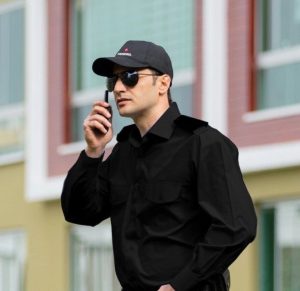
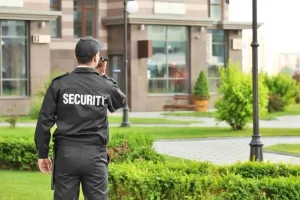
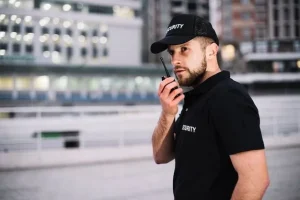
There’s a moment, a tiny shift in the air, that happens when professional security guards step into a space. You see it in the way people straighten up a little, how wandering eyes stop wandering, how someone who was pacing now decides they’re “just leaving anyway.” Cameras don’t create that reaction. They simply stare. A guard, on the other hand, shapes the atmosphere.
Most offenders aren’t looking for a duel; they’re looking for an opportunity. A quiet corner. A distracted shop. A doorway that hasn’t been checked in a while. Uniformed guards disrupt every one of those comfort zones. Their routes aren’t predictable. Their timing isn’t perfect, but it’s close enough to make opportunists nervous.
And that uncertainty, the “they might walk in any second” feeling, is one of the strongest crime deterrents we have. Cameras collect evidence; guards prevent the need for evidence in the first place.
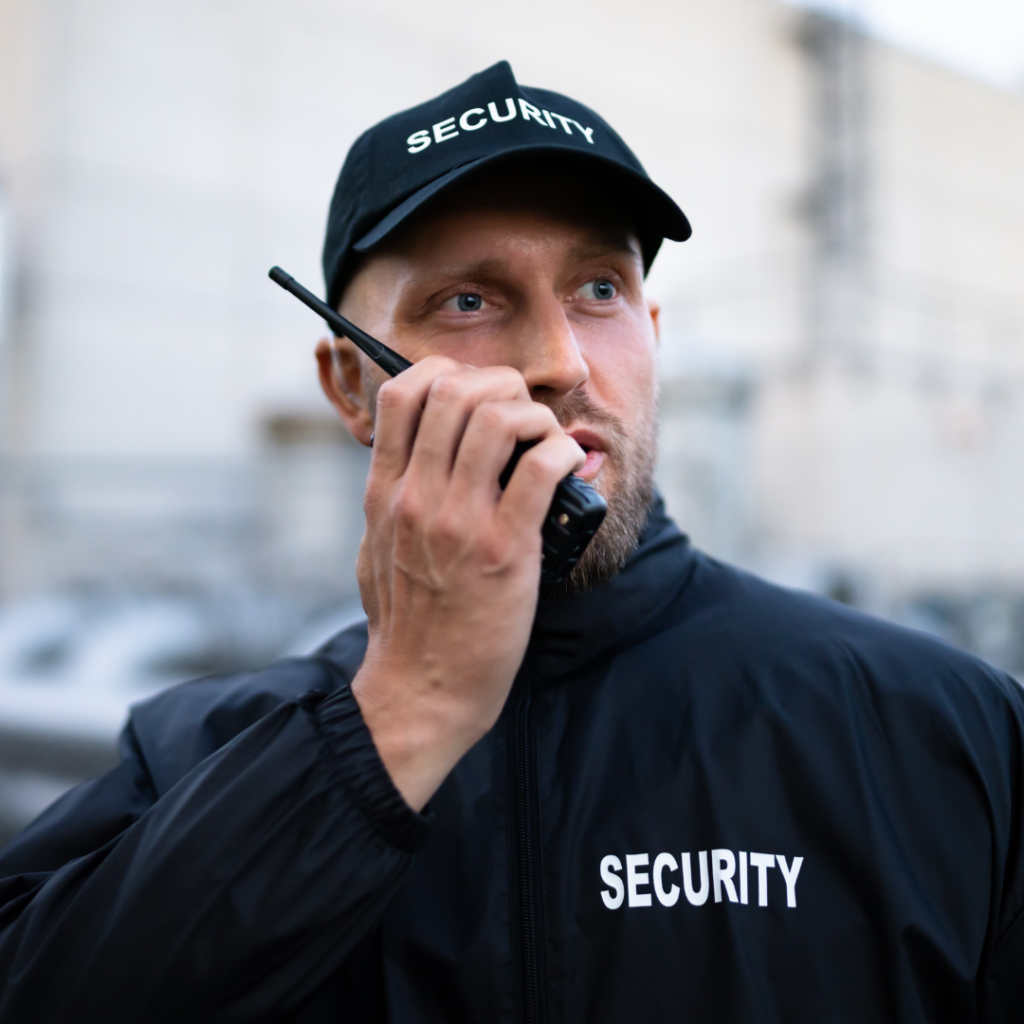
CCTV Alone Is Limited Without Human Intervention
CCTV does its job, but only to a point. It watches everything, yet reacts to nothing. When something goes wrong, footage needs to be reviewed, interpreted, confirmed, and escalated. That takes time, and trouble unfolds faster than most people expect. A dispute can turn physical in seconds. A trespasser can disappear before an operator realises what they’re seeing.
Then there’s the practical messiness: rain smearing a lens, a shadow making a doorway look occupied, a camera angled just slightly too high. Even good systems have blind spots you only notice once you’re already rewinding the footage.
CCTV becomes crucial after an incident, a storyteller retracing steps, but while things are happening, only a person on the ground can intervene, redirect, calm a situation, or shut it down outright.
Why Cameras Can Only Watch, Not Prevent
CCTV matters. No question about it. But it has a very specific job, and that job stops short of prevention.
A camera sees movement. It does not read intent. It does not feel like a situation turning sour. It cannot decide that this argument, right now, is the one that needs stepping into. When something tips over, a raised voice, a shove, someone slipping through a door they shouldn’t, the camera keeps rolling. That’s all it can do.
By the time footage becomes important, the moment itself has usually passed. That isn’t speculation; it’s baked into how police treat CCTV.
Official UK police guidance focuses heavily on image quality, retention, export formats, and playback standards, all the things needed so footage can be retrieved, reviewed, and used after an incident. In other words, CCTV earns its real value once events are already being reconstructed, not while they are unfolding.
And that gap matters. Because real-time safety lives in the seconds before escalation, not the hours spent reviewing recordings. CCTV explains what happened. Human judgment decides whether it happens at all.
Professional Security Guards – Preventing Crime Through Active Vigilance
They see the things a camera misses. A jaw that tightens. Fingers that won’t stop tapping. A pace that shifts from casual to tense. Small signs. Big meaning.
Spotting those micro-moments lets a guard move first. A quiet “You all right?” at the right time. A step between two people. A purposeful block of a door. These aren’t theatrics, they’re quick, practical moves that stop trouble before it starts. (Also: people respond to a human voice. Cameras don’t get that.)
Guards don’t just react; they read patterns. They know who belongs, who doesn’t, and what normal looks like on any given day. That context, plus training and a sharp gut, helps them decide: watch, speak, or act. Cameras log what happened. Guards change what happens. That difference is why active vigilance beats passive watching when safety matters.
How Professional Security Guards Actively Prevent Crime
Real-Time Decision Making and Instant Response
Guards spot things a camera never will. A clenched jaw. Fingers that won’t stop tapping. A stride that turns nervous. From across the floor, those signs look tiny; up close, they read like a warning. Catching that half-second lets a guard step in, sometimes just a quiet, “You all right?” and defuse the moment before it becomes something worse.
Physical Intervention and Access Control
If someone pushes their luck at a restricted door, a guard’s presence becomes a line they can’t cross. They can step in, check who the person is, and shut the situation down quickly. Cameras don’t stop breaches; they just record them.
Crowd and Situation Awareness
Busy environments move like tides. Guards read the ebb and flow, nudging groups, calming stressed visitors, and catching odd behaviour tucked between normal activity. They steer problems away from the point of escalation.
Patrol Visibility and Environmental Control
Guards don’t just walk; they shape the surroundings. They adjust lighting, check exits, clear hazards, and revisit locations that feel “off.” This roaming, unpredictable presence tells potential offenders: someone is paying attention.
Why Active Presence Outperforms Passive Surveillance
Active security feels different the moment you’re near it. People talk to guards. They ask quick questions, share odd stories, or pass on a detail they didn’t think mattered. A camera never gets those scraps of real-world insight. A guard does. And those little comments, the cleaner noticing someone loitering, a staff member mentioning a tense customer from yesterday, often fill the gaps that screens miss.
There’s also the part nobody can teach in a classroom. Instinct. Some guards pick up on a person’s mood before the behaviour even shifts. A twitchy hand. A glance that lingers too long. A strange pause. Cameras will show the action, sure, but they stay blind to the quiet “why” behind it.
When something feels off, a guard reacts in the moment. Sometimes it’s a step forward, sometimes a simple hello. That tiny judgment call can redirect a situation before it ever turns into a problem. Surveillance records events. A guard changes them.
Conclusion
A shoplifter walking with too much purpose stops short when a guard says, “How’s your day going?” with a steady, watchful smile. A pair of trespassers hop a fence, spot a patrol doubling back sooner than expected, and vanish into the night before trouble starts.
Two people arguing in a corner steady themselves when a guard steps into the space, not aggressively, just present, which is often all that’s needed to let tempers cool.
Most of these moments never make it into reports because nothing officially happened. That’s deterrence doing its job: preventing the incident from turning into an incident at all.
When you look at the whole picture, the difference feels almost obvious. Cameras watch, but guards shape what unfolds. A space with active security has a certain hum to it; people feel safer, problems surface earlier, and trouble loses its grip before it can form. You can sense it in small ways: a guard catching a quiet hint of tension, a quick word that stops someone drifting into the wrong place, a patrol circling back at just the right moment.
Most of the real wins never show up in reports because nothing dramatic happens. And that’s the point. Prevention doesn’t shout; it works in silence. A guard’s presence shifts behaviour, tempers, choices, and outcomes. CCTV helps tell the story after the fact, but a trained professional changes the story while it’s still being written. For any site that wants fewer incidents, not just clearer footage, nothing replaces the value of a human on the ground.
FAQs
1. Does CCTV replace professional security guards?
No, cameras observe, but guards intervene, communicate, and make judgment calls that technology cannot.
2. How do professional guards respond during real incidents?
They assess quickly, step in when needed, secure access points, guide people out of unsafe areas, or escalate to emergency services if the situation demands it.
3. Are professional security guards effective for small businesses?
Yes. Even one guard can dramatically reduce theft, manage customer interactions, and support staff safety.
4. Do guards reduce incidents more than CCTV alone?
In most environments, yes. Visible presence disrupts opportunistic crime before it begins.
5. What training do professional security guards typically have?
They’re trained in conflict resolution, risk assessment, communication, observation, and legal responsibilities, the skills that turn awareness into action.