Grocery theft rarely spreads evenly across a store. Certain aisles see repeat losses, while others stay quiet for months. Yet many stores still rely on blanket CCTV coverage, tagging, or general patrols and expect uniform results.
The problem is not that an effort that focuses on the Store layout, product type, and shopper behaviour shapes risk far more than overall footfall does. Some aisles invite concealment. Others sit just far enough from staffed areas to go unnoticed. Busy periods pull attention away, while quiet windows give opportunity for space to grow.
This is why modern grocery theft prevention works best when it looks inward, not outward. Instead of asking how to protect the whole store equally, the smarter question is where theft actually forms, and why. Targeted security inside high-risk aisles allows stores to reduce loss without turning the shopping experience into something tense or restrictive.
Why Theft Concentrates in Specific Grocery Aisles
Theft patterns inside grocery stores are shaped by behaviour and environment, not chance.
Product characteristics that attract theft
Product characteristics that attract theft are usually obvious once you slow down and look. Items that are small and easy to carry create opportunities. They slip into pockets or bags without much effort, even when an aisle is busy, and it matters too.
Products that cost more, or can be resold quickly, change the behaviour so that lower risk feels lower. The reward feels higher. Alcohol, health items, and premium food tend to sit in this space.
People know what they are worth, both inside and outside the store. Over time, this creates patterns. The same aisles get tested again and again, not because of chance, but because they quietly offer the easiest return.
Aisle layout and sightline weaknesses
Aisle shapes the behaviour in quiet but predictable ways. Design matters more than most stores expect. Shelving can block clear views from the front of the shop, leaving pockets where activity goes unnoticed.
End-of-aisle areas often fill up during busy periods, and that crowding creates cover without anyone meaning to. Distance plays a role, too. The further an aisle sits from tills or staffed counters, the safer it can feel to test limits.
Time changes things. When someone believes they are not being seen, even for a moment, confidence grows. That is usually when boundaries start to move.
Timing and traffic flow patterns
Timing and traffic flow patterns shape theft more than most stores realise. Loss does not appear at random points in the day. It follows the routine. Busy periods pull staff into service, tills, and queues, leaving less time to watch what is happening further down the aisle.
At the other end of the day, quieter hours remove natural observation altogether. Fewer shoppers mean fewer eyes. Shift changes and restocking create short windows where attention is split, and movement increases.
During those moments, aisles are easier to test. When focus drifts to deliveries, pricing, or customers asking for help, oversight fades. That is when risk quietly rises, not because of chaos, but because no one is quite looking.
Grocery Theft Prevention in High-Risk Aisles
Preventing theft in grocery high-risk aisles with targeted security measures works best when stores stop reacting and start noticing patterns.
Identifying high-risk aisles using store data
Most stores already have the answers. Shrinkage reports show where loss returns. Refund patterns highlight stress points. Staff often notice repeat behaviour long before numbers confirm it. When reports, observations, and incident logs point to the same aisles, that overlap signals where risk keeps forming, not where it happened once.
Targeted physical security measures
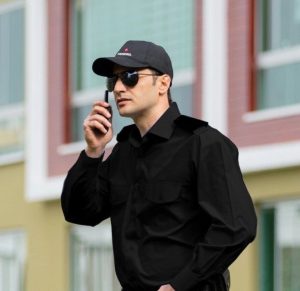
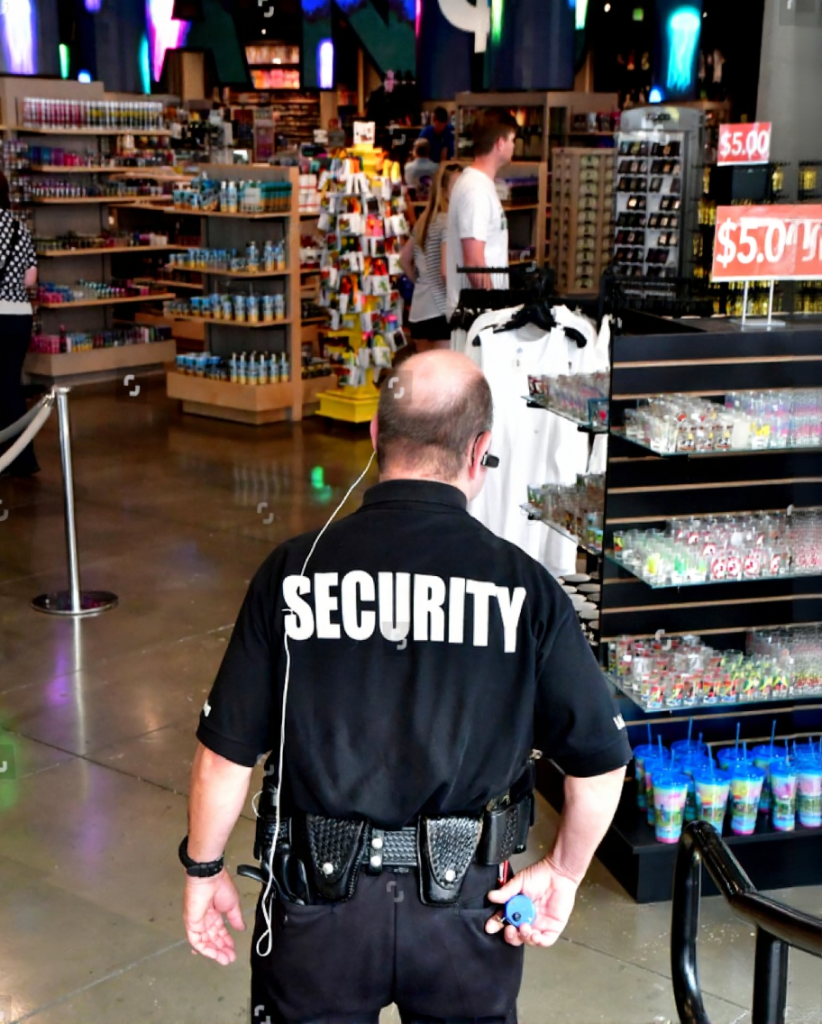
Physical security works best when it blends in. Trained staff positioned near known problem aisles change behaviour without confrontation. People pause when they sense awareness. Movement matters more than stance. A calm presence that shifts with trading patterns disrupts routine and reduces opportunity without making shoppers feel watched or pressured.
Technology that supports aisle-level prevention
Technology adds value when it sharpens focus, not when it overwhelms staff. Adjusting camera angles often fixes blind spots faster than adding equipment. AI tools help flag unusual behaviour but should never replace judgment. Alerts work best as prompts, guiding attention to where something feels off, not making decisions alone.
Staff positioning and behavioural disruption
Most grocery theft depends on predictability. Staff who move differently break that rhythm. A pause and a short walk-through. A greeting that feels natural. These small actions introduce uncertainty. There is no accusation, no tension. Just a reminder that the aisle is not ignored, and behaviour is being noticed.
Reducing theft without harming customer experience
Heavy controls often create new problems. Locked cabinets slow down shopping. Too much tagging frustrates staff. Constant monitoring damages trust; targeted measures avoid this. They protect stock quietly while keeping aisles open and calm. When losses fall without drama, customers stay comfortable, and staff stay focused, the approach is working.
Why Blanket Security Fails in Grocery Stores
Blanket security looks efficient. Often, it isn’t. According to the police uk, the latest Office for National Statistics data, shoplifting offences in England and Wales reached record levels, with 516,971 incidents recorded in the year ending December 2024, reinforcing that retail theft is rising even as store-wide security measures expand.
Over-reliance on static CCTV: Static cameras observe but do not intervene. They explain loss after the fact but rarely prevent it in real time.
Random patrols vs pattern-based coverage: Random patrols feel fair, but ignore reality. Risk concentrates. Coverage should, too.
Customer friction and staff fatigue: Heavy controls create resistance. Staff burnout. Shoppers disengage. Costs rise while losses remain.
Measuring Success Beyond Shrinkage Numbers
Good prevention shows up in behaviour before it shows up in reports.
Incident frequency vs severity: Fewer repeat incidents in the same aisle signal progress, even if overall numbers change slowly.
Staff confidence and reporting quality: When staff feel supported, reporting improves. That clarity strengthens future decisions.
Insurance and audit confidence: Clear records and visible controls support insurance discussions and audit outcomes. Risk looks managed, not assumed.
Conclusion
Grocery theft rarely spreads evenly. It gathers in specific aisles, at predictable times, under familiar conditions. Treating every part of the store the same ignores how loss actually forms.
Targeted aisle-level security works because it respects behaviour. It focuses attention where opportunity arises, uses presence without pressure, and supports staff instead of overwhelming them. Technology plays a role, but only as a tool, not a solution on its own.
For modern stores, grocery theft prevention is no longer about doing more everywhere. It is about doing the right things in the right places. Reviewing layout, traffic flow, and product risk allows stores to protect stock while keeping shopping calm and open.
The strongest results come from assessment, not urgency. When risk is understood clearly, prevention follows naturally.
FAQs
Which grocery aisles are most at risk of theft?
Alcohol, health products, baby formula, and premium food aisles are most commonly targeted due to value and concealment.
Does increasing CCTV coverage reduce aisle theft?
Not always. Better camera angles and staff response matter more than adding more cameras.
How can staff reduce theft without confronting customers?
Movement, presence, and simple interaction often disrupt theft without accusation.
Is targeted security more cost-effective than store-wide measures?
Yes. Focusing resources where losses concentrate usually delivers better results at lower cost.
How often should high-risk aisles be reassessed?
After layout changes, seasonal shifts, or repeated incidents, risk moves as the store changes.