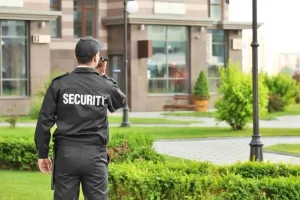
Many businesses now rely on lone workers. This shift has grown fast. Work patterns have changed across many industries. Warehouses run late hours. Retail staff open stores early. Engineers travel alone to remote sites. Security guards patrol empty buildings overnight.
A lone worker is someone who works without direct supervision. They may be inside a building. They may also work outside. In both cases, help is not always nearby.
This creates real safety concerns. A simple accident can become serious without help. Even minor issues can worsen. The delay in response increases risk.
Employers have both legal and moral duties. They must protect every worker. This applies even when staff work alone. Safety cannot depend on chance.
This is why Lone Worker Protection has become essential today. It helps reduce risk. It improves response time. It also shows responsibility. Businesses that act early protect both people and operations.
What Is Lone Worker Protection and Why It Matters More Than Ever
Lone worker protection refers to safety measures for employees working alone. These workers operate without direct supervision nearby. Help is not immediately available if problems arise. This makes proper protection extremely important today.
Businesses must reduce risks and ensure worker safety. Modern workplaces depend more on independent roles. As a result, lone worker safety needs attention. Without protection, small incidents can escalate quickly. Proper planning ensures workers stay safe and supported.
Who qualifies as a lone worker
Many roles involve working alone regularly. Security guards often patrol empty buildings overnight. Warehouse staff may handle late shifts independently. Delivery drivers travel long routes by themselves. Maintenance staff fix issues in quiet areas.
Construction workers sometimes work in isolated zones. Retail workers open or close stores alone. These situations are common across many industries today. Lone working is not rare anymore. It has become part of daily operations.
Why lone workers face higher safety risks
Working alone increases exposure to unexpected dangers. There is no immediate help during incidents. Accidents can become serious without quick support. Crime risks also increase in isolated environments.
Emergency response may take longer than expected. This delay can worsen injuries or outcomes. Workers may feel vulnerable or anxious alone. This affects both safety and performance levels.
How modern business models have increased lone working
Business operations now run beyond traditional hours. Many companies operate twenty-four hours a day. Facilities may exist in remote locations. Staffing structures are often leaner than before.
Logistics and field services have expanded rapidly. Workers now cover larger areas independently. Businesses rely on flexibility and mobility today. This makes lone worker protection more essential than ever.
Key Safety Risks That Make Lone Worker Protection Essential
Employees working alone face real safety risks daily. Small problems can quickly turn serious alone. Without support, response times often increase significantly. This creates danger for workers and businesses.
Many incidents become worse without early help. Lone worker protection reduces these risks effectively. It ensures workers stay safer during operations.
Workplace accidents without immediate assistance
Accidents happen in every workplace environment. Slips or trips can occur suddenly. Wet floors or clutter increase that risk. Falls become more dangerous without quick assistance. Equipment accidents can also cause serious harm.
Machines require careful handling at all times. Without support, injuries may worsen quickly. Medical emergencies are another major concern. A worker may faint or feel chest pain. Without help nearby, the response gets delayed. Quick assistance often makes a huge difference.
Increased exposure to crime and external threats
Lone workers often face higher crime exposure. Criminals target workers who appear isolated. Theft becomes easier in quiet environments. Assault risks increase during night shifts.
Trespassing incidents also happen more frequently. Workers cannot monitor everything alone safely. Criminal activity thrives where supervision is limited. This creates stress and serious safety concerns.
Delayed emergency response and its consequences
Emergency response time matters during serious incidents. Delays can increase injury severity quickly. Faster care often prevents long-term harm. Without protection, help may arrive too late. Recovery time becomes longer than necessary.
This affects worker health and well-being. Businesses also face higher liability risks. Delays can lead to legal and financial issues.
Psychological impact and employee stress
Working alone affects mental well-being significantly. Many workers feel uneasy in isolation. Fear reduces confidence during daily tasks. Stress affects focus and decision-making. Workers may avoid certain tasks entirely.
Productivity often drops in unsafe conditions. Confidence improves when proper safety measures exist.
Legal Responsibilities and Employer Duty of Care for Lone Worker Protection
Employers carry full responsibility for worker safety. This includes staff working alone regularly. The law does not make exceptions here. If someone gets hurt, questions follow quickly.
Businesses must show they took safety seriously. Proper lone worker protection helps meet that duty. It shows the employer planned ahead carefully.
Employer’s duty to protect lone workers
Employers must create safe working environments always. This applies even when staff work alone. The risk does not disappear with distance. In fact, it often increases significantly. Employers must think about real working conditions. They should consider timing, location, and isolation.
Ignoring risks can lead to serious consequences. Workers expect their employer to protect them. That expectation is both fair and legal.
Risk assessment requirements
Risk assessment is not just paperwork. It is a practical safety step. Employers must look for possible hazards first. This includes equipment, surroundings, and access routes. They must then judge how serious the risks are.
Some risks may seem small initially. But without help nearby, danger increases. After identifying risks, employers must act properly. Simple steps can prevent serious incidents later. Reviews should happen regularly, not once.
UK Government and HSE lone worker safety guidance
Official guidance helps employers understand their duties. The Health and Safety Executive provides clear advice.
Businesses should follow the UK Government’s lone working safety guidance. This explains how to manage lone workers safely. It also helps employers stay legally compliant. Following guidance protects both workers and businesses.
Effective Lone Worker Protection Measures Businesses Should Implement
Protecting lone workers requires practical and consistent action. Safety cannot rely on luck alone. Businesses must create systems that support workers. These systems should prevent risks and reduce harm.
Strong lone worker protection improves safety every day. It also builds confidence across the workforce. Simple steps often make the biggest difference.
Regular check-ins and communication procedures
Regular contact helps workers stay connected always. Scheduled check-ins confirm the worker is safe. Supervisors can respond quickly if something feels wrong. Even short updates improve safety significantly.
Workers feel reassured when someone is aware. Communication reduces isolation and uncertainty during shifts. It also ensures faster help if needed.
Risk assessments and safety planning
Every site has different safety challenges present. Employers must review each location carefully. Some tasks carry higher risk levels. These tasks need extra safety precautions. Planning helps prevent incidents before they happen.
Risk assessments should reflect real working conditions. Safety planning must stay current and relevant.
Use of professional security services
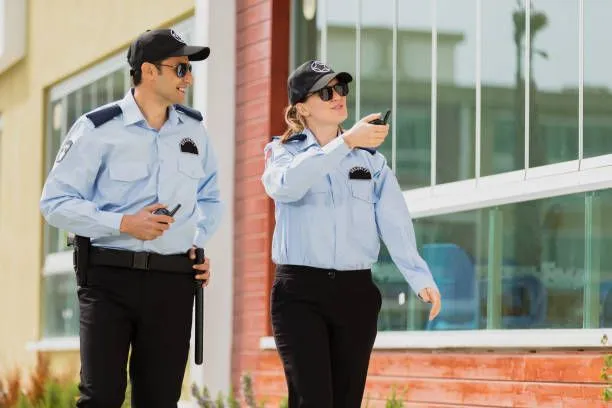
Professional security services add an extra safety layer. Mobile patrols can check isolated locations regularly. Their presence helps deter unwanted activity. They also respond quickly during emergencies.
High-risk sites benefit from active monitoring support. This improves safety and reduces serious threats.
Safety training and awareness
Training prepares workers for unexpected situations. Workers learn how to respond calmly. They recognise risks before problems develop. Clear reporting ensures incidents get handled properly. Training builds awareness and improves safety habits.
How Lone Worker Protection Improves Business Safety and Operational Stability
Strong safety measures benefit both workers and businesses. Protection creates a safer and more stable workplace. When workers feel supported, operations run smoothly. Problems get handled before they grow serious.
Lone worker protection helps businesses stay prepared. It reduces disruption and improves daily performance.
Reduces workplace incidents
A faster response makes a major difference. Small incidents get handled before worsening. Workers receive help when it matters most. This reduces injury severity and downtime. Preventive steps also lower accident chances.
Safer workplaces create fewer unexpected disruptions. This helps businesses maintain steady operations.
Improves employee confidence and productivity
Workers perform better when they feel safe. Fear and stress reduce focus quickly. Safety measures remove that constant worry. Workers can concentrate on their tasks properly.
Confidence improves decision-making during shifts. Comfortable workers complete tasks more efficiently. This leads to better overall productivity.
Protects business reputation
Safety reflects how businesses treat their people. Workers notice when employers take safety seriously. This builds trust across the workforce naturally. Clients also value responsible businesses more.
A strong safety culture improves business credibility. Reputation grows stronger with consistent safety efforts.
Reduces legal and financial risks
Workplace incidents can create serious legal issues. Claims can damage finances and operations. Proper safety measures reduce these risks significantly. Compliance also becomes easier to maintain.
Businesses avoid penalties and unnecessary losses. Prevention protects both people and business stability.
Conclusion
Lone working is now very common. You see it across many industries today. Retail staff open stores early alone. Security guards patrol empty buildings overnight. Drivers travel long routes without support nearby. This way of working is not unusual anymore.
Because of this, businesses must adjust quickly. Old safety habits are no longer enough. Working alone brings different types of risk. When something goes wrong, help is slower. That delay can make situations worse. Employers must plan for these realities now.
This is why lone worker protection matters so much. It gives workers support when isolated. It helps prevent incidents before they grow serious. Workers feel safer knowing help is available. That peace of mind improves daily performance.
It also protects the business itself. Fewer incidents mean fewer disruptions and losses. Safety shows responsibility and builds trust naturally. In today’s workplaces, protection is not optional. It is a necessary part of running safely.
Frequently Asked Questions
What is Lone Worker Protection?
Lone worker protection means keeping isolated workers safe. It applies when staff work without supervision nearby. There is no one close to help. These safety measures reduce risk and harm. They also ensure help arrives when needed. The aim is simple. Workers should never feel unprotected.
Why is Lone Worker Protection important for businesses?
It helps prevent incidents before they worsen. A faster response can reduce injury severity greatly. It also shows the business takes safety seriously. Employers must meet legal safety responsibilities. Proper protection helps avoid legal trouble later. It protects both workers and business stability.
Which industries require Lone Worker Protection the most?
Many industries depend on lone workers daily. Construction workers often operate in isolated zones. Delivery drivers travel alone for long hours. Security staff patrol empty buildings overnight. Retail workers open or close stores alone. Maintenance and utility workers face similar situations.
What are the main risks faced by lone workers?
Accidents can happen without warning at any time. Slips, falls, or equipment injuries occur. Crime risks increase in quiet environments. Emergency help may take longer to arrive. This delay can make situations worse quickly.
How can businesses improve Lone Worker Protection?
It starts with proper risk assessment planning. Employers must understand real working risks. Regular check-ins help track worker safety. Monitoring systems provide added reassurance and support. Training prepares workers for unexpected situations.