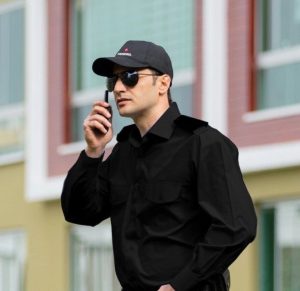
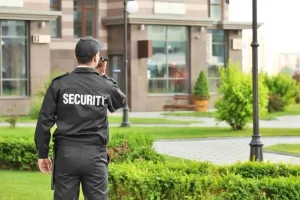
Security risks are rising for modern businesses. Theft happens more often now. Trespassing is also becoming common. Many sites face daily safety threats. These risks affect profits and operations.
In the past, security meant guards. Gates and locks were enough. Today, things have changed. Criminals use smarter methods. Businesses must respond with stronger protection.
This leads to a key debate. It is physical security vs technological security. Some businesses rely on guards. Others depend only on cameras. Both approaches offer protection. But each has limits on its own.
Complete protection needs both systems. Guards provide presence and response. Technology provides monitoring and evidence. Together, they create a stronger defence.
This guide explains both clearly. You will learn their differences. You will see strengths and weaknesses. Most importantly, you will understand why integration matters. A layered approach helps reduce risk. It also protects people, property, and operations.

Physical Security vs Technological Security – Understanding the Core Differences
Understanding physical security vs technological security helps businesses choose wisely. Each plays a different role. Both work toward the same goal. That goal is complete protection.
What Is Physical Security?
Physical security measures protect sites directly. They prevent unauthorised access. They also stop threats at entry points.
These measures include security guards. Gates and locks are also common. Fences protect site boundaries. Barriers control vehicle entry. Reception security controls visitor access.
The main strength is visible deterrence. Criminals avoid guarded sites. A guard presence creates fear of detection. This alone reduces many risks.
Guards also provide human judgement. They assess situations quickly. They can respond immediately. This helps stop incidents early.
Physical security also improves perimeter protection. Guards monitor entrances closely. They check identification and access permissions. This reduces unauthorised entry risks. Most importantly, guards provide real-time threat detection. They notice unusual behaviour. Technology may miss such signs.
What Is Technological Security?
Technological security solutions use automated systems. These systems monitor and detect threats. They operate without constant human presence.
Common examples include CCTV monitoring. Alarm systems detect intrusion attempts. Motion sensors detect movement. Access control systems restrict entry.
Biometric access systems also exist. These use fingerprints or facial scans. They prevent identity misuse. Technology provides continuous monitoring. It works 24 hours daily. It never becomes tired or distracted.
Another key benefit is evidence recording. CCTV footage stores events. This helps investigations later. It also supports legal action.
Technology also enables remote monitoring. Managers can view sites remotely. They can respond faster to alerts. This improves overall security risk management. It ensures constant awareness.
Key Differences in Approach and Function
The difference between physical and technological security is clear. Physical security uses human presence. Technology uses automated monitoring. Guards provide visible deterrence.
Cameras provide silent surveillance. Guards respond immediately on site. Technology sends alerts instantly. Physical security handles human situations better. Guards manage visitors and conflicts. Technology focuses on detection and recording.
Technology covers wider areas efficiently. Cameras monitor multiple locations. Guards cannot be everywhere at once. Costs also differ. Guards require ongoing staffing costs. Technology requires installation and maintenance. However, neither is complete alone. Each fills gaps left by the other.
Strengths and Limitations of Physical Security Measures
Physical security remains a trusted protection method. Many businesses still rely on visible safety measures. Guards, gates, and fences create a strong presence. This presence alone can reduce unwanted activity. People feel safer when protection is visible.
However, physical security also has certain limits. Understanding both sides helps businesses plan better.
Strengths of Physical Security
Visible security changes how people behave. Most intruders avoid protected locations immediately. A guard near the entrance sends a warning. It shows that the site is monitored. This helps prevent problems before they begin.
Physical presence also allows fast response times. Guards can react the moment something happens. They can check unusual movement or behaviour. This improves threat detection across key areas. Immediate action often prevents damage or loss.
Guards also support perimeter protection effectively. They patrol fences, gates, and entry points. They notice signs that machines may overlook. They can speak with visitors when needed. Human judgement adds an extra safety layer. This helps control crowds during busy periods. It also reduces tension during unexpected situations.
Limitations of Physical Security
Physical security depends heavily on human performance. Even trained guards can make mistakes sometimes. Fatigue can affect alertness during long shifts. This may reduce overall threat detection ability.
Coverage is another common challenge for businesses. Guards cannot monitor every area continuously. Large sites increase the risk of blind spots. This weakens full perimeter protection in practice.
Staffing also increases long-term security costs. Wages, training, and scheduling require steady investment. Without CCTV monitoring support, incident records remain limited. This makes the investigation harder after incidents occur.
Advantages and Risks of Technological Security Solutions
Technology plays a major role today. Many businesses depend on smart systems. These tools watch, record, and alert teams. They work quietly in the background. This improves overall safety and awareness. Still, technology alone has clear limits. Knowing both sides helps smart planning.
Strengths of Technological Security
Technological systems provide constant, reliable monitoring. Cameras watch areas without getting tired. This ensures round-the-clock site visibility always. Owners can review activity at any time. This brings peace of mind daily.
These systems also grow with business needs. New cameras or sensors can be added easily. This makes expansion simple and flexible. CCTV monitoring also records valuable incident evidence. This helps during investigations and reviews.
Modern access control systems improve entry safety. Only approved people can enter areas. This reduces unauthorised movement across the site. Remote access adds another useful benefit. Managers can check live feeds anytime. They do not need to be present. This improves response speed during concerns.
Limitations of Technology-Only Security
Technology works well, but has weaknesses too. Systems depend heavily on power and connectivity. Failures can stop monitoring without warning. This creates temporary protection gaps sometimes.
Maintenance is also important for proper performance. Poor upkeep can reduce system reliability. Devices must be checked and updated regularly. Technology cannot physically stop intruders directly. It only detects and reports activity.
This physical security and surveillance technology comparison shows one key truth. Detection alone cannot prevent incidents fully. Human presence remains necessary for complete protection.
Why Businesses Need Integrated Security Systems for Complete Protection
Modern threats do not follow clear patterns. Risk can come from many directions. One weak spot can cause problems fast. That is why layered protection matters. It adds strength in simple steps. Each layer backs up the next. Together, they create strong business protection.
The Layered Security Model
Layered security works step by step. It starts at the outer edge. Fences, gates, and barriers control entry. They slow down unwanted access.
Next, entry points are monitored closely. Access control systems record who comes in. This helps track movement in key areas. Inside the building, cameras continue watching. They monitor activity throughout the day.
Guards add another level of safety. They observe people and surroundings. They respond if something looks wrong. This combined approach creates steady and reliable protection.
How Physical and Technological Security Work Together
Technology detects activity quickly and accurately. Guards then respond based on alerts. For example, CCTV monitoring shows live movement. Guards can investigate without delay.
Alarm response also improves incident handling speed. Systems trigger alerts when risk appears. Guards can reach the location quickly. This prevents small issues from becoming serious problems.
Access control logs add useful information daily. Guards can verify entry records when needed. This coordination improves overall threat detection. Learning how to combine physical and cyber security strengthens protection.
Building a Balanced Business Security Strategy
Every business faces different security challenges. Risk assessment helps identify weak areas first. This ensures protection meets real needs.
Retail, logistics, and offices face unique risks. Each requires specific safety planning and tools. Budget planning also plays an important role. Smart investment improves long-term protection results.
Security risk management ensures balanced decision-making. Combining people and technology improves safety outcomes. The benefits of integrated security systems for businesses include stronger control and faster response.
UK Security Compliance and Risk Management Standards
Security rules help businesses stay prepared. They provide clear steps for protection planning. In the UK, official guidance supports safer workplaces. These standards help reduce avoidable security risks. They also improve response during emergencies. Following recognised advice strengthens daily protection.
Compliance also shows responsible risk management practice. It helps businesses protect staff and assets. It also improves long-term operational stability.
Understanding UK Government Security Guidance
The UK government provides trusted security guidance. It helps businesses plan effective protection measures. The advice focuses on prevention and readiness. It also explains how to reduce exposure.
This guidance explains perimeter protection and monitoring clearly. It also highlights layered safety planning. These steps help reduce serious security gaps. Early planning improves response and control.
Following government advice improves security risk management. It helps businesses identify weak areas sooner. It also supports better long-term protection decisions. Aligning your business security strategy with national guidance creates a stronger, more reliable defence.
Conclusion
Security today needs more than one solution. Risks come from many different directions. Some threats are visible and direct. Others stay hidden until damage happens. This is why balance matters so much.
Physical security vs technological security is not a competition. Each serves a clear and useful purpose. Physical protection creates a strong, visible presence. Technology improves monitoring and early detection. When combined, they create reliable protection.
Relying on only one method creates weakness. Cameras cannot respond without human support. Guards cannot watch every area alone. These gaps increase overall business risk.
Layered protection helps close these security gaps. Each layer supports the next one. This improves safety across the entire site.
Businesses should review security plans regularly. Risks change over time without warning. Updating systems keeps protection strong and effective. Smart planning today prevents serious problems tomorrow.
Frequently Asked Questions
1. What is the main difference between physical security and technological security?
Physical security uses guards and barriers. Technological security uses cameras and automated systems. Guards respond physically. Technology detects and records threats.
2. Can a business rely only on CCTV and alarm systems?
No. Technology detects threats only. It cannot stop criminals physically. Guards provide direct response and prevention.
3. Why is layered security protection important for businesses?
Layered protection reduces security gaps. Multiple systems provide stronger defence. This improves safety and threat prevention.
4. How do integrated security systems improve response time?
Alarm systems detect threats quickly. Guards respond immediately. This reduces damage and risk.
5. What types of businesses need both physical and technological security?
Retail stores, warehouses, offices, and construction sites need both. These systems protect assets and staff effectively.