When the day ends and the crew goes home, the site is left alone. Night falls, and the space turns still. Tools lie where they were used. Heavy machines stand quiet. Wood, steel, and fuel stay out in the open. No one is there to watch the ground. A fence may be crossed with ease. A lock can be forced in moments. Items can be moved fast and without sound. Hours may pass before anyone sees a problem.
At first light, workers return and notice what has changed. Tools may be missing. Parts may be broken. Work can slow or stop. Extra cost follows, and plans shift. Night-time construction security gives the site care when it is empty. It keeps watch in dark hours, protects what is left behind, and helps the next day begin without trouble.

Why Construction Sites Become High-Risk After Dark
Construction sites are always changing. Fences move. Entry points shift. Some areas stay open while work is in progress. Because of this, weak spots can form. When night falls, these weak points become easier to use.
Several risks appear once the site is empty:
- No workers are present to notice the strange activity
- Expensive machines and materials remain on site
- Copper, fuel, and tools are easy to carry and sell
- Fewer people pass by to see what is happening
- Some areas have poor or uneven lighting
Sites in quiet areas face greater danger, but busy city projects are not safe either. Scaffolding can help someone climb inside. Fences may be moved or left open for late deliveries. This creates easy access after dark.
Slow response is another problem. If something happens at 2 am, it may not be found for hours. By morning, tools may be gone and damage already done. Easy entry, high-value items, and darkness together make night the highest risk time for any construction site.
How Night-Time Construction Security Reduces Loss and Liability
Asset Protection and Project Stability
Good night-time construction security lowers the chance of loss on UK sites. When tools, fuel, and machines are left without strong control, they can be taken quickly. One stolen digger can stop groundworks. Missing cables can pause electrical work. The team then waits. New orders must be placed. Deliveries shift. Costs rise.
Small damage can also create a bigger delay. A cut fence or broken lock may seem minor, yet it signals weak control. Projects depend on steady progress. When assets are protected at night, the morning shift can start without a setback. That stability protects time, money, and trust.
Legal Duty of Care and Site Responsibility
Risk is not only about property. It is also about people. Under the Health and Safety at Work etc. Act 1974, employers must take reasonable steps to protect workers and the public. If someone enters an unsecured site and is hurt, questions will follow. Records matter. Proof of control matters. Night-time construction security helps show that the site was managed with care.
Insurance, Compliance, and Risk Awareness
Insurers look at prevention. If a site lacks basic safeguards, claims may face challenge. Higher premiums can follow. Clear after-hours protection supports compliance and shows that risk is taken seriously, not ignored until loss occurs.
Best Practices for Protecting Construction Sites After Hours
Protecting a construction site at night is rarely about one strong measure. It is about steady control. Each layer supports the next. When fencing, lighting, storage and supervision work together, the site becomes harder to enter and easier to manage.
Secure Perimeter and Controlled Access
A clear boundary is the starting point. Fencing should be firm, upright and checked often. Small gaps can appear after heavy vehicles move through or after bad weather. These weak spots matter. Gates must be locked once work ends, and only approved entry points should remain usable.
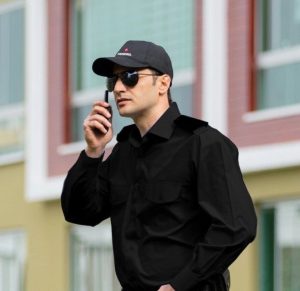
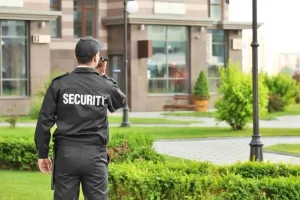
On higher-risk UK sites, static guarding often suits this stage well. A visible guard at a fixed position near the main entrance creates real presence. It allows access control, visitor checks and rapid response if someone approaches after hours. Unlike remote oversight alone, a static guard can act at once. That immediate action changes behaviour. Many intrusions stop before they begin.
Lighting That Limits Concealment
Dark corners invite risk. Good lighting reduces hiding places near fencing, scaffolding and storage zones. It does not need to flood every surface. It simply needs to remove the deep shadow.
Lighting should shift as the build progresses. A layout that was secure last month may open new blind areas today. Regular review keeps coverage practical and relevant.
Supervision and Patrol Activity
Even strong barriers need oversight. Static guarding provides a steady watch, especially at the main access point, but routine patrol walks across the wider site add depth. Movement around the perimeter shows active control. It also checks that locks, panels and storage units remain secure through the night.
Alarm systems and remote alerts can support this structure, yet they work best when combined with physical presence. Detection alone does not prevent loss. Timely response does.
Safe Storage of Equipment and Materials
Valuable items should not sit near the outer fencing. Tools belong in locked containers. Copper, fuel and specialist materials should be stored away from easy reach. Plant keys must be removed and secured separately.
When high-value assets are less visible and harder to access, the site becomes a less attractive target. Prevention often begins with simple housekeeping.
Clear Response Planning
If an issue occurs, the action must be clear. Who attends? Who records the event? Who informs management? Written procedures avoid confusion. Incident logs also support insurance and compliance needs under UK duty of care obligations.
Signage and Visible Deterrence
Warning signs, controlled entry notices and visible guarding send a message. The aim is simple. Show that the site is managed, watched and taken seriously.
Strong night protection does not rely on one tool. It blends physical control, active supervision and clear planning. When these elements support each other, risk drops and projects remain steady.
Legal and Duty of Care Considerations for Construction Sites
UK building sites must follow clear law. The Health and Safety at Work etc. The 1974 Act says employers must manage foreseeable risks. The Construction (Design and Management) Regulations (CDM) name who is responsible and what they must do. Night-time construction security counts as part of that duty when sites stand empty.
Insurers look for basic safeguards. Poor fencing, unlocked containers or missed repairs make claims harder and can raise premiums. Simple measures, locked storage, checked gates, and regular patrol logs show you took care.
Keep short, dated records of patrols, faults and incidents. These notes prove action. They help with insurance and any legal review.
Duty of care matters at midnight as much as at noon. Small, steady steps now cut big problems later.
How Consistent Night Security Supports Project Continuity
Security is sometimes viewed as overhead. In reality, it protects continuity. A single overnight theft can disrupt weeks of scheduling. Replacement plant delays groundwork. Damaged materials require a reorder and inspection. Subcontractors stand idle.
Consistent site security management prevents these setbacks. It safeguards budget stability and preserves programme timelines. There is also a human dimension. Workers arriving to a secure, intact site operate with greater confidence. Clients observe reliability. Insurers see reduced exposure. Effective construction site security at night is not merely defensive. It sustains forward momentum.
Conclusion
Construction sites are most at risk when they are empty. Night reduces sight. Gates, fences, and open yards can be easy to reach. Tools, machines, and materials left outside become targets. Planning is better than reacting. Use layered measures: a strong perimeter, clear lighting, locked storage, patrols, and cameras. Checklists and simple rules help teams act fast if there is a breach. Strong night-time construction security protects more than equipment. It keeps schedules on time and cuts the cost of loss and delays. It helps meet rules and keeps workers safe. It also builds trust with clients and insurers. When the site is watched overnight, morning work can start as planned. Projects run smoother and teams spend less time fixing problems. Invest in steady protection, clear duties, and records of checks. That steady approach keeps the build moving and gives everyone confidence. This lowers worry and secures the whole project.
Frequently Asked Questions
Why are construction sites targeted at night?
Most sites are empty after work ends. Fewer people are around to see what is happening. Tools, fuel and metal can be easily moved and sold. Darkness gives cover. That mix attracts trouble.
What are the biggest nighttime risks on construction sites?
The main night risks are theft, damage, fire, break-ins, and injury, which can delay work.
How often should construction sites be checked overnight?
There is no single rule. Checks depend on site size, location and value of equipment. A busy city project may need closer watch than a small rural build. Insurance terms also guide frequency.
Does lighting alone protect a construction site?
No. Light helps people see clearly, but it does not stop entry. Fences, secure storage and active oversight must support it.
How does night security help avoid project delays?
When tools and materials stay safe, work can restart on time. Fewer incidents mean fewer repairs, less paperwork and no sudden gaps in the schedule.