


Securing Machinery and High-Value Tools on Construction Sites With Robust Measures
Construction sites can look quiet when work ends for the day, yet this quiet time can hide real risk. When workers leave and activity stops, tools and machines often remain in open areas where they are easier to reach. Small items, specialist tools, and large plants can all become targets if site edges are weak or supervision is low. Loss rarely comes from one big mistake. It more often begins with simple gaps, such as poor light, open storage, or entry points that are not watched. Because of this, construction site tool security should never wait until after a theft happens. Missing tools can slow progress, raise costs, and lead to insurance problems. They can also reduce worker confidence and make the site feel less safe. Good protection is not harsh or complex. It relies on clear planning, visible care, and steady systems that work each day. When security stays strong and simple, tools remain ready, work continues on time, and teams can focus on building with confidence. Why Construction Site Tool Security Is Challenged by Tool and Machinery Theft Temporary environments and shifting access points Construction sites change often. New walls appear, old paths close, and entry points move as work moves forward. Because of this steady change, it becomes hard to keep the same level of watch across the whole area. Workers, contractors, and delivery drivers arrive at different times, and this constant flow can make weak spots easy to miss. These small changes may not look dangerous at first. Yet they can create quiet gaps where no one is looking closely. A place that felt safe in one phase of the build may become open in the next. Locks, barriers, and storage areas can lose their strength when the layout shifts. If security steps do not change with the site, the risk slowly grows. Fast work also leads to fast choices. Teams focus on deadlines, and security checks may receive less attention than they need. When reviews of access control and perimeter safety do not happen often, small oversights build up. Over time, these gaps make theft easier to attempt and harder to stop. Careful planning and regular checks are the only steady way to keep protection strong. High resale value of the plant and specialist tools Many items used on building sites are easy to carry and easy to sell. Small tools such as cutters, drills, measuring devices, and fuel units may seem ordinary during daily work, but they hold real value outside the site. Because they are portable and widely useful, they can disappear quickly when control is weak. Poor perimeter control, loose access restrictions, and unsafe storage all increase this risk. Large machines bring even greater concern. Some plant equipment can be removed in a short time if supervision is low or overnight monitoring is limited. Theft on construction sites is rarely random. It usually follows value, visibility, and ease of entry. When asset tracking is weak and temporary site risks are not reviewed, loss becomes more likely. Strong vandalism prevention and clear risk-based planning begin with understanding this link between value and opportunity. Once this pattern is recognised, better protection can be built around tools and machinery at every stage of the project. Impact on timelines, insurance, and workforce safety When tools or machines go missing, the whole project feels the change. Work may slow or stop while new items are identified and brought to the site. This pause adds cost and may push key dates further away than planned. Project leaders, insurers, and contractors then need to respond quickly so progress can resume. Insurance may cover part of the loss, but it cannot restore lost time or repair the workflow disruption. Safety is also linked to equipment control. If theft or damage occurs more than once, workers may feel uneasy and lose focus on routine tasks. Clear rules, simple records, and regular checks help restore order and trust. These steps demonstrate that the site is well-maintained and that risks are taken seriously. When protection stays strong and visible, people can work with calm attention. Reliable construction site tool security supports stable progress, protects worker confidence, and helps the project move forward without avoidable delay. Construction Site Tool Security Through Layered Protection Strategies Strong safety on a busy build site does not come from one rule or one tool. It grows from simple steps that work well together each day. Good construction site tool security uses clear site edges, safe storage, steady watching, and written notes so risk stays low as work moves on. This layered way of working helps stop loss before it starts and makes the site harder for thieves to target. Controlled access and perimeter definition Every safe site needs a clear boundary. Strong fencing, marked gates, and watched entry points help control who comes in and out. Gatehouse staff record visitors, check loads, and guide drivers to the right place so movement stays calm and clear. A guard in view adds extra safety by discouraging trespass and helping workers feel secure. These steps support access control and help protect tools and machines without slowing down daily work. Secure storage and immobilisation of high-value equipment Tools and machines must stay safe when not in use. Locked containers, strong stores, and tool vaults give secure storage for construction tools, mainly at night or during breaks. Large machines also need locks or stop systems that match trusted UK site safety practice. Clear key control lowers the chance of quiet loss. Manned guarding teams check storage areas often, keeping them shut, safe, and recorded. Surveillance, lighting, and remote monitoring integration Good light makes a big difference on the site. Bright areas remove hiding spots and help cameras see clearly. CCTV for construction sites gives steady watching and useful proof if a problem occurs. Remote viewing lets teams watch the site during quiet hours and support safe overnight care. In higher-risk places, K9 dog security adds a strong visual sign that helps prevent

How Mobile Patrols Protect Large Construction Projects With Rapid On-Site Response
Construction sites rarely stay still, and boundaries often shift as work progresses, while deliveries may arrive early or late. In many cases, whole sections move from open ground to enclosed structure within a few weeks, and because of this constant change, security becomes difficult to standardise and easy to overlook until something goes wrong. For project managers responsible for timelines, safety, and budgets, the real concern is not simply crime. It is a disruption. A single overnight intrusion can halt work, delay inspections, or force costly replacements. This is where construction mobile patrols begin to matter, not as a visible extra, but as an operational safeguard that keeps projects moving. Why Large Construction Projects Face Unique Security Risks Scale, layout, and changing site conditions Large building sites are very big. They have many ways to get in. Fences move. Work areas change. A place that was safe at the start may not stay safe later. Lights move. Storage places move too. Old plans stop working fast. Security must move with the site. It cannot stay still. If the cover does not change, people can slip in. This often happens at quiet edges, near open fences, inside half-built spaces, or in places no one is using. High-value assets and opportunistic theft Construction sites hold value for short periods: plant equipment on hire, copper cable waiting to be fitted, and fuel stored nearby for easy use. These items draw attention, especially on evenings, weekends, or during weather delays when work slows. Most incidents are simple chance, not careful planning. People watch for darkness, quiet, and time. When these meet, theft becomes easier and getting items back is much harder. Stopping entry early is often the only safe protection there. UK law also supports equipment theft prevention, allowing forensic marking and anti-theft rules to extend to commercial tools and plant, which strengthens long-term site protection. How Construction Mobile Patrols Deliver Rapid On-Site Response Patrol vehicles as moving response units On expansive sites, distance is the hidden vulnerability. A guard positioned at one gate cannot meaningfully observe the far boundary, storage compound, and internal structure at the same time. Movement changes that equation. Mobile patrol vehicles function as roaming observation points. They compress distance, allowing a single patrol to review multiple risk zones within minutes. Instead of waiting for incidents to reach a fixed position, patrols meet risk where it appears. Continuous circulation also disrupts predictable timing, an important factor in deterring repeat intrusion attempts. Faster intervention during alarms and suspicious activity Alarm systems provide awareness, not prevention. Their value depends on what happens next. When an alert triggers on an active building site, response time determines the outcome: interruption or loss. Mobile patrol response across construction projects shortens that critical window. Officers already operating nearby can investigate immediately, often before intruders realise detection has occurred. Early arrival prevents escalation, stopping forced entry, equipment movement, or vandalism before damage spreads beyond a single point. Speed, in this context, is not measured in minutes alone. It is measured in consequence avoided. Visibility as a deterrent across wide perimeters Security deterrence is partly psychological. Repeated patrol movement signals oversight, unpredictability, and risk to anyone considering entry. Even when no interaction occurs, the simple knowledge that patrol routes and coverage exist across the perimeter changes behaviour. Over time, visible presence reduces targeting frequency. Sites that appear monitored are bypassed in favour of easier opportunities. This quiet prevention rarely appears in incident logs, yet it is one of the most valuable outcomes mobile security patrols for large sites provide. Adapting patrol routes as the site evolves Construction never follows a perfectly linear path. Weather delays, delivery changes, and sequencing adjustments reshape site priorities week by week. Security that cannot adapt becomes misaligned with real risk. Construction patrol response teams adjust routes, timings, and focus areas alongside project progression. Groundworks may demand perimeter emphasis. Structural phases may shift attention to internal access. Fit-out stages often require protection of materials rather than machinery. Flexible patrol planning keeps protection aligned with reality rather than assumptions. Supporting lone workers and late-shift teams Security is not only about intrusion. Many active building sites involve early starts, late finishes, or isolated specialist tasks. Lone worker safety becomes a practical concern, particularly in partially completed structures or poorly lit zones. Mobile patrol guards in construction environments provide periodic welfare checks and rapid escalation capability. If an accident, medical issue, or safety concern occurs, response is already close at hand. This dual role, security and reassurance, strengthens overall site resilience while supporting duty-of-care obligations. Mobile Patrols vs Static Security on Large Construction Sites Coverage efficiency across large footprints Static guards stay in one place and watch one area. On large-scale construction projects, that view is limited. Mobile patrol security for construction sites moves across the full site. Patrol vehicles check site access points, walk fence lines, and pass storage zones. This wider view helps reduce unauthorised access, especially during night-time site monitoring when activity drops but risk remains. Cost control without reduced protection Every site works to a budget. Security must protect tools and materials without adding waste. Construction site mobile patrol services allow coverage to rise when risk rises and ease back when risk is lower. This keeps after-hours site security strong while supporting equipment theft prevention and materials storage protection. The site stays protected without paying for cover that is not needed. Flexibility during peak and low-activity periods Work patterns change often on active building sites. Weather delays, weekends, and delivery gaps leave areas quiet and exposed. Mobile security patrols for large sites can adjust quickly. Construction patrol response teams can add checks, increase patrol routes and coverage, and maintain a visible security presence when the site is empty. This flexibility keeps the site safe and ready for work to restart. Integration With Other Construction Site Security Measures Mobile patrols and CCTV monitoring CCTV can see far across active building sites, but it cannot step in or stop trouble. Mobile patrol security for

Night-Time Construction Security: Best Practices for Protecting Sites After Hour
When the day ends and the crew goes home, the site is left alone. Night falls, and the space turns still. Tools lie where they were used. Heavy machines stand quiet. Wood, steel, and fuel stay out in the open. No one is there to watch the ground. A fence may be crossed with ease. A lock can be forced in moments. Items can be moved fast and without sound. Hours may pass before anyone sees a problem. At first light, workers return and notice what has changed. Tools may be missing. Parts may be broken. Work can slow or stop. Extra cost follows, and plans shift. Night-time construction security gives the site care when it is empty. It keeps watch in dark hours, protects what is left behind, and helps the next day begin without trouble. Why Construction Sites Become High-Risk After Dark Construction sites are always changing. Fences move. Entry points shift. Some areas stay open while work is in progress. Because of this, weak spots can form. When night falls, these weak points become easier to use. Several risks appear once the site is empty: Sites in quiet areas face greater danger, but busy city projects are not safe either. Scaffolding can help someone climb inside. Fences may be moved or left open for late deliveries. This creates easy access after dark. Slow response is another problem. If something happens at 2 am, it may not be found for hours. By morning, tools may be gone and damage already done. Easy entry, high-value items, and darkness together make night the highest risk time for any construction site. How Night-Time Construction Security Reduces Loss and Liability Asset Protection and Project Stability Good night-time construction security lowers the chance of loss on UK sites. When tools, fuel, and machines are left without strong control, they can be taken quickly. One stolen digger can stop groundworks. Missing cables can pause electrical work. The team then waits. New orders must be placed. Deliveries shift. Costs rise. Small damage can also create a bigger delay. A cut fence or broken lock may seem minor, yet it signals weak control. Projects depend on steady progress. When assets are protected at night, the morning shift can start without a setback. That stability protects time, money, and trust. Legal Duty of Care and Site Responsibility Risk is not only about property. It is also about people. Under the Health and Safety at Work etc. Act 1974, employers must take reasonable steps to protect workers and the public. If someone enters an unsecured site and is hurt, questions will follow. Records matter. Proof of control matters. Night-time construction security helps show that the site was managed with care. Insurance, Compliance, and Risk Awareness Insurers look at prevention. If a site lacks basic safeguards, claims may face challenge. Higher premiums can follow. Clear after-hours protection supports compliance and shows that risk is taken seriously, not ignored until loss occurs. Best Practices for Protecting Construction Sites After Hours Protecting a construction site at night is rarely about one strong measure. It is about steady control. Each layer supports the next. When fencing, lighting, storage and supervision work together, the site becomes harder to enter and easier to manage. Secure Perimeter and Controlled Access A clear boundary is the starting point. Fencing should be firm, upright and checked often. Small gaps can appear after heavy vehicles move through or after bad weather. These weak spots matter. Gates must be locked once work ends, and only approved entry points should remain usable. On higher-risk UK sites, static guarding often suits this stage well. A visible guard at a fixed position near the main entrance creates real presence. It allows access control, visitor checks and rapid response if someone approaches after hours. Unlike remote oversight alone, a static guard can act at once. That immediate action changes behaviour. Many intrusions stop before they begin. Lighting That Limits Concealment Dark corners invite risk. Good lighting reduces hiding places near fencing, scaffolding and storage zones. It does not need to flood every surface. It simply needs to remove the deep shadow. Lighting should shift as the build progresses. A layout that was secure last month may open new blind areas today. Regular review keeps coverage practical and relevant. Supervision and Patrol Activity Even strong barriers need oversight. Static guarding provides a steady watch, especially at the main access point, but routine patrol walks across the wider site add depth. Movement around the perimeter shows active control. It also checks that locks, panels and storage units remain secure through the night. Alarm systems and remote alerts can support this structure, yet they work best when combined with physical presence. Detection alone does not prevent loss. Timely response does. Safe Storage of Equipment and Materials Valuable items should not sit near the outer fencing. Tools belong in locked containers. Copper, fuel and specialist materials should be stored away from easy reach. Plant keys must be removed and secured separately. When high-value assets are less visible and harder to access, the site becomes a less attractive target. Prevention often begins with simple housekeeping. Clear Response Planning If an issue occurs, the action must be clear. Who attends? Who records the event? Who informs management? Written procedures avoid confusion. Incident logs also support insurance and compliance needs under UK duty of care obligations. Signage and Visible Deterrence Warning signs, controlled entry notices and visible guarding send a message. The aim is simple. Show that the site is managed, watched and taken seriously. Strong night protection does not rely on one tool. It blends physical control, active supervision and clear planning. When these elements support each other, risk drops and projects remain steady. Legal and Duty of Care Considerations for Construction Sites UK building sites must follow clear law. The Health and Safety at Work etc. The 1974 Act says employers must manage foreseeable risks. The Construction (Design and Management) Regulations (CDM) name who is responsible and

Physical Security vs Technological Security: Why You Need Both for Complete Protection
Security risks are rising for modern businesses. Theft happens more often now. Trespassing is also becoming common. Many sites face daily safety threats. These risks affect profits and operations. In the past, security meant guards. Gates and locks were enough. Today, things have changed. Criminals use smarter methods. Businesses must respond with stronger protection. This leads to a key debate. It is physical security vs technological security. Some businesses rely on guards. Others depend only on cameras. Both approaches offer protection. But each has limits on its own. Complete protection needs both systems. Guards provide presence and response. Technology provides monitoring and evidence. Together, they create a stronger defence. This guide explains both clearly. You will learn their differences. You will see strengths and weaknesses. Most importantly, you will understand why integration matters. A layered approach helps reduce risk. It also protects people, property, and operations. Physical Security vs Technological Security – Understanding the Core Differences Understanding physical security vs technological security helps businesses choose wisely. Each plays a different role. Both work toward the same goal. That goal is complete protection. What Is Physical Security? Physical security measures protect sites directly. They prevent unauthorised access. They also stop threats at entry points. These measures include security guards. Gates and locks are also common. Fences protect site boundaries. Barriers control vehicle entry. Reception security controls visitor access. The main strength is visible deterrence. Criminals avoid guarded sites. A guard presence creates fear of detection. This alone reduces many risks. Guards also provide human judgement. They assess situations quickly. They can respond immediately. This helps stop incidents early. Physical security also improves perimeter protection. Guards monitor entrances closely. They check identification and access permissions. This reduces unauthorised entry risks. Most importantly, guards provide real-time threat detection. They notice unusual behaviour. Technology may miss such signs. What Is Technological Security? Technological security solutions use automated systems. These systems monitor and detect threats. They operate without constant human presence. Common examples include CCTV monitoring. Alarm systems detect intrusion attempts. Motion sensors detect movement. Access control systems restrict entry. Biometric access systems also exist. These use fingerprints or facial scans. They prevent identity misuse. Technology provides continuous monitoring. It works 24 hours daily. It never becomes tired or distracted. Another key benefit is evidence recording. CCTV footage stores events. This helps investigations later. It also supports legal action. Technology also enables remote monitoring. Managers can view sites remotely. They can respond faster to alerts. This improves overall security risk management. It ensures constant awareness. Key Differences in Approach and Function The difference between physical and technological security is clear. Physical security uses human presence. Technology uses automated monitoring. Guards provide visible deterrence. Cameras provide silent surveillance. Guards respond immediately on site. Technology sends alerts instantly. Physical security handles human situations better. Guards manage visitors and conflicts. Technology focuses on detection and recording. Technology covers wider areas efficiently. Cameras monitor multiple locations. Guards cannot be everywhere at once. Costs also differ. Guards require ongoing staffing costs. Technology requires installation and maintenance. However, neither is complete alone. Each fills gaps left by the other. Strengths and Limitations of Physical Security Measures Physical security remains a trusted protection method. Many businesses still rely on visible safety measures. Guards, gates, and fences create a strong presence. This presence alone can reduce unwanted activity. People feel safer when protection is visible. However, physical security also has certain limits. Understanding both sides helps businesses plan better. Strengths of Physical Security Visible security changes how people behave. Most intruders avoid protected locations immediately. A guard near the entrance sends a warning. It shows that the site is monitored. This helps prevent problems before they begin. Physical presence also allows fast response times. Guards can react the moment something happens. They can check unusual movement or behaviour. This improves threat detection across key areas. Immediate action often prevents damage or loss. Guards also support perimeter protection effectively. They patrol fences, gates, and entry points. They notice signs that machines may overlook. They can speak with visitors when needed. Human judgement adds an extra safety layer. This helps control crowds during busy periods. It also reduces tension during unexpected situations. Limitations of Physical Security Physical security depends heavily on human performance. Even trained guards can make mistakes sometimes. Fatigue can affect alertness during long shifts. This may reduce overall threat detection ability. Coverage is another common challenge for businesses. Guards cannot monitor every area continuously. Large sites increase the risk of blind spots. This weakens full perimeter protection in practice. Staffing also increases long-term security costs. Wages, training, and scheduling require steady investment. Without CCTV monitoring support, incident records remain limited. This makes the investigation harder after incidents occur. Advantages and Risks of Technological Security Solutions Technology plays a major role today. Many businesses depend on smart systems. These tools watch, record, and alert teams. They work quietly in the background. This improves overall safety and awareness. Still, technology alone has clear limits. Knowing both sides helps smart planning. Strengths of Technological Security Technological systems provide constant, reliable monitoring. Cameras watch areas without getting tired. This ensures round-the-clock site visibility always. Owners can review activity at any time. This brings peace of mind daily. These systems also grow with business needs. New cameras or sensors can be added easily. This makes expansion simple and flexible. CCTV monitoring also records valuable incident evidence. This helps during investigations and reviews. Modern access control systems improve entry safety. Only approved people can enter areas. This reduces unauthorised movement across the site. Remote access adds another useful benefit. Managers can check live feeds anytime. They do not need to be present. This improves response speed during concerns. Limitations of Technology-Only Security Technology works well, but has weaknesses too. Systems depend heavily on power and connectivity. Failures can stop monitoring without warning. This creates temporary protection gaps sometimes. Maintenance is also important for proper performance. Poor upkeep can reduce system reliability. Devices must be checked and updated

10 Common Security Mistakes Businesses Still Make That Increase Risk and Loss
Many businesses believe they are secure. They install cameras. They lock doors. They set alarms. Then they move on and focus on daily work. But risk does not stop. It waits for weak points. Small gaps often lead to serious problems. The truth is simple. Most incidents happen because of preventable errors. These errors do not look serious at first. A door left open. A camera was not checked. A visitor is not logged. These small issues create real danger over time. The number of business security risks and threats continues to grow. Theft, trespassing, and internal loss affect businesses of all sizes. Criminals often choose locations that show weakness, not strength. This is why understanding the security mistakes businesses still make is important. Awareness helps prevent loss. It protects staff. It keeps operations stable. This guide explains the most common mistakes and why fixing them can reduce risk and improve business security risk prevention. Why Security Mistakes Businesses Still Make Increase Risk and Loss Security problems often grow without warning. Many businesses feel safe with the basics. Daily routines create comfort and confidence. Over time, attention becomes more relaxed. Small gaps start to appear slowly. These gaps increase risk and exposure. Criminals notice weak habits quickly. They choose places with less protection. Understanding these causes helps prevent future loss. Relying Too Much on Basic Security Many businesses use locks and cameras. These tools help, but have limits. Cameras record but cannot stop incidents. Locks slow entry, but do not prevent attempts. Criminals often test weak locations first. Without stronger layers, gaps remain open. Basic protection alone cannot stop determined threats. Treating Security Only as a Cost Some businesses try to reduce security spending. They focus on saving money now. This creates a bigger loss later. Theft and damage cost more over time. Downtime also affects daily operations. Prevention often costs less than recovery. Strong security protects business stability. Not Updating Security When Risks Change Security threats change over time. Criminals use new methods often. Old systems become less effective. Businesses must review protection regularly. Ignoring change increases exposure quickly. Updated security improves safety and confidence. 10 Security Mistakes Businesses Still Make That Create Serious Vulnerabilities Mistake 1: No Visible Security Presence Many locations appear unguarded most days. Entrances stay quiet for hours. Nobody stands near key areas. This creates a sense of ease. People passing by notice quickly. Some return later with intent. Visible protection changes perception immediately. It introduces uncertainty and hesitation. Most offenders avoid observed locations. They prefer places with less attention. When no presence exists, confidence increases. This simple absence raises exposure significantly over time. Mistake 2: Poor Access Control Management Open access creates unnecessary confusion daily. Visitors enter without clear checks. Delivery workers move through work areas. Staff assume someone approved the entry earlier. This assumption removes clear responsibility. Uncontrolled movement weakens environment awareness. Unknown individuals blend with normal activity. Nobody questions their presence directly. Over time, this becomes routine behaviour. Routine weakens alertness and attention. Controlled entry helps maintain order and reduces preventable exposure. Mistake 3: Inadequate Monitoring of Premises Cameras often remain ignored for hours. Screens display activity without attention. Nobody reviews movement during busy periods. This creates silent vulnerability across locations. Incidents continue without interruption. Damage increases before anyone reacts. Recorded footage only explains events later. It cannot prevent loss actively. Monitoring requires human attention consistently. Active observation improves awareness and reduces preventable operational and financial impact. Mistake 4: Ignoring Internal Security Threats Familiar faces feel naturally trusted daily. Staff move freely across work areas. Oversight may reduce over time. This creates unnoticed internal exposure. Small misuse often begins quietly. Minor actions attract little attention initially. Repeated behaviour becomes normal gradually. Without review, problems remain hidden longer. Internal risk develops slowly but seriously. Balanced oversight protects business stability and maintains operational trust. Mistake 5: Weak Entry and Exit Point Protection Secondary access points receive less focus. Side doors stay unlocked occasionally. Rear gates remain unsecured overnight. These gaps create a silent opportunity. People looking for access notice weakness. They avoid well-protected main entrances. Quiet areas provide easier entry paths. Even one exposed point weakens protection. Securing every entry improves safety. Strong physical barriers reduce avoidable intrusion risk effectively. Mistake 6: Lack of Security Risk Assessment Many businesses rarely review vulnerabilities properly. Existing measures appear sufficient outwardly. This creates long-term blind confidence. Risk evolves without clear visibility. Hidden gaps remain unnoticed internally. Weakness develops across daily operations. Businesses discover problems after incidents occur. Early assessment prevents unexpected exposure. Regular review improves awareness. Proactive planning strengthens long-term business security stability effectively. Mistake 7: Poor Lighting Around the Property Lighting directly affects visibility and safety. Dark areas hide movement easily. People cannot observe their surroundings clearly. This reduces awareness significantly. Poor lighting supports unnoticed access attempts. Entrances and paths become exposed quickly. Cameras lose detail in darkness. Criminals prefer poorly visible environments. Improved lighting increases observation capability. Bright surroundings discourage unwanted activity and strengthen environmental awareness consistently. Mistake 8: No Emergency or Incident Response Plan Unexpected situations create sudden pressure. Staff may feel unsure immediately. Nobody knows the correct first steps. This hesitation increases confusion quickly. Response delays increase operational damage. Time becomes critical during incidents. Prepared teams react faster confidently. Clear plans provide direction instantly. Structured response improves recovery speed. Preparation strengthens organisational resilience and reduces preventable disruption impact. Mistake 9: Relying Only on Technology Without Human Oversight Technology supports modern business protection systems. Sensors detect movement automatically. Alerts provide useful notifications instantly. However, systems lack human judgment. Machines cannot interpret intent accurately. They respond only to programmed triggers. Human awareness adds deeper understanding. Without oversight, warning signs get missed. Balanced supervision improves protection effectiveness. Human involvement strengthens overall environmental awareness and response reliability. Mistake 10: Inconsistent Security Procedures Procedures often begin with a strong focus. Over time, attention naturally declines. Staff may skip routine checks. This weakens operational consistency gradually. Irregular enforcement creates predictable patterns. Predictability attracts unwanted attention quickly. People notice
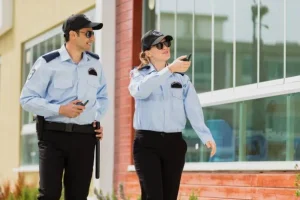
Why Lone Worker Protection Is Becoming Essential for Modern Businesses to Ensure Safety
Many businesses now rely on lone workers. This shift has grown fast. Work patterns have changed across many industries. Warehouses run late hours. Retail staff open stores early. Engineers travel alone to remote sites. Security guards patrol empty buildings overnight. A lone worker is someone who works without direct supervision. They may be inside a building. They may also work outside. In both cases, help is not always nearby. This creates real safety concerns. A simple accident can become serious without help. Even minor issues can worsen. The delay in response increases risk. Employers have both legal and moral duties. They must protect every worker. This applies even when staff work alone. Safety cannot depend on chance. This is why Lone Worker Protection has become essential today. It helps reduce risk. It improves response time. It also shows responsibility. Businesses that act early protect both people and operations. What Is Lone Worker Protection and Why It Matters More Than Ever Lone worker protection refers to safety measures for employees working alone. These workers operate without direct supervision nearby. Help is not immediately available if problems arise. This makes proper protection extremely important today. Businesses must reduce risks and ensure worker safety. Modern workplaces depend more on independent roles. As a result, lone worker safety needs attention. Without protection, small incidents can escalate quickly. Proper planning ensures workers stay safe and supported. Who qualifies as a lone worker Many roles involve working alone regularly. Security guards often patrol empty buildings overnight. Warehouse staff may handle late shifts independently. Delivery drivers travel long routes by themselves. Maintenance staff fix issues in quiet areas. Construction workers sometimes work in isolated zones. Retail workers open or close stores alone. These situations are common across many industries today. Lone working is not rare anymore. It has become part of daily operations. Why lone workers face higher safety risks Working alone increases exposure to unexpected dangers. There is no immediate help during incidents. Accidents can become serious without quick support. Crime risks also increase in isolated environments. Emergency response may take longer than expected. This delay can worsen injuries or outcomes. Workers may feel vulnerable or anxious alone. This affects both safety and performance levels. How modern business models have increased lone working Business operations now run beyond traditional hours. Many companies operate twenty-four hours a day. Facilities may exist in remote locations. Staffing structures are often leaner than before. Logistics and field services have expanded rapidly. Workers now cover larger areas independently. Businesses rely on flexibility and mobility today. This makes lone worker protection more essential than ever. Key Safety Risks That Make Lone Worker Protection Essential Employees working alone face real safety risks daily. Small problems can quickly turn serious alone. Without support, response times often increase significantly. This creates danger for workers and businesses. Many incidents become worse without early help. Lone worker protection reduces these risks effectively. It ensures workers stay safer during operations. Workplace accidents without immediate assistance Accidents happen in every workplace environment. Slips or trips can occur suddenly. Wet floors or clutter increase that risk. Falls become more dangerous without quick assistance. Equipment accidents can also cause serious harm. Machines require careful handling at all times. Without support, injuries may worsen quickly. Medical emergencies are another major concern. A worker may faint or feel chest pain. Without help nearby, the response gets delayed. Quick assistance often makes a huge difference. Increased exposure to crime and external threats Lone workers often face higher crime exposure. Criminals target workers who appear isolated. Theft becomes easier in quiet environments. Assault risks increase during night shifts. Trespassing incidents also happen more frequently. Workers cannot monitor everything alone safely. Criminal activity thrives where supervision is limited. This creates stress and serious safety concerns. Delayed emergency response and its consequences Emergency response time matters during serious incidents. Delays can increase injury severity quickly. Faster care often prevents long-term harm. Without protection, help may arrive too late. Recovery time becomes longer than necessary. This affects worker health and well-being. Businesses also face higher liability risks. Delays can lead to legal and financial issues. Psychological impact and employee stress Working alone affects mental well-being significantly. Many workers feel uneasy in isolation. Fear reduces confidence during daily tasks. Stress affects focus and decision-making. Workers may avoid certain tasks entirely. Productivity often drops in unsafe conditions. Confidence improves when proper safety measures exist. Legal Responsibilities and Employer Duty of Care for Lone Worker Protection Employers carry full responsibility for worker safety. This includes staff working alone regularly. The law does not make exceptions here. If someone gets hurt, questions follow quickly. Businesses must show they took safety seriously. Proper lone worker protection helps meet that duty. It shows the employer planned ahead carefully. Employer’s duty to protect lone workers Employers must create safe working environments always. This applies even when staff work alone. The risk does not disappear with distance. In fact, it often increases significantly. Employers must think about real working conditions. They should consider timing, location, and isolation. Ignoring risks can lead to serious consequences. Workers expect their employer to protect them. That expectation is both fair and legal. Risk assessment requirements Risk assessment is not just paperwork. It is a practical safety step. Employers must look for possible hazards first. This includes equipment, surroundings, and access routes. They must then judge how serious the risks are. Some risks may seem small initially. But without help nearby, danger increases. After identifying risks, employers must act properly. Simple steps can prevent serious incidents later. Reviews should happen regularly, not once. UK Government and HSE lone worker safety guidance Official guidance helps employers understand their duties. The Health and Safety Executive provides clear advice. Businesses should follow the UK Government’s lone working safety guidance. This explains how to manage lone workers safely. It also helps employers stay legally compliant. Following guidance protects both workers and businesses. Effective Lone Worker Protection Measures Businesses Should Implement Protecting lone workers requires