Late-night trading changes how a supermarket feels and how it works. Fewer staff are on the shop floor, managers may be off-site, and support is not always close at hand. Footfall drops, but behaviour becomes less predictable, with a higher chance of theft, verbal abuse, or difficult situations involving lone workers.
These conditions place quite a pressure on the people who are still working through the night. This is why supermarket staff safety cannot be ensured only with HR policies or training manuals. It is an operational issue that affects how stores are staffed, supervised, and protected after hours, when margins for error are smaller, and decisions matter more.
Why Late-Night Supermarket Operations Change the Risk Profile
Reduced staffing and delayed support
Late at night, supermarkets run lean by design. Fewer staff are on shift, supervisors may cover larger areas, and specialist support is often off-site. That changes how pressure is felt on the shop floor. When something goes wrong, there are simply fewer people to step in, and decisions have to be made faster.
External help can also take longer to arrive, especially in parts of Cornwall where stores sit away from town centres or main routes. This does not mean incidents are constant. It means the margin for error is smaller. A calm situation can turn awkward more quickly when backup is thin and response times stretch.
Behavioural shifts after hours
Lower footfall does not always mean lower risk. After hours, customer behaviour can be less predictable. Alcohol purchases late in the evening can lead to raised voices or poor judgment. Small groups may linger longer than they would during the day. Opportunistic theft also tends to rely on distraction, not force, and quiet periods can make that easier.
Police data across the UK consistently shows that anti-social behaviour and retail-related incidents cluster in evening and night-time windows rather than during busy daytime trading. The issue is not volume, but unpredictability. Police-recorded shoplifting offences rose by about 20%, reaching roughly 516,971 incidents in the year ending December 2024. Staff are left managing situations that feel out of place for an otherwise routine shift.
Lone-worker exposure in specific store zones
Risk is not spread evenly across a store at night. Certain areas draw more attention and carry more exposure. Loading bays are quieter and less visible, yet still active for late deliveries. Car parks can feel isolated once surrounding businesses close. Self-checkout areas reduce staff presence by design, which can leave one person overseeing several points at once. Stock rooms and back corridors are often out of sight and lightly staffed after hours.
When a colleague is working alone in these spaces, even minor issues can feel more serious. Recognising where these pressure points sit is the first step in planning support that fits the reality of late-night operations.
Supermarket Staff Safety During Late-Night Supermarket Operations
Duty of care beyond trading hours
A supermarket’s duty to protect staff does not end when the day shift finishes. Late opening hours bring smaller teams and less support, but the responsibility stays the same. Staff may be covering more tasks at once and dealing with situations that feel unfamiliar or harder to manage than during the day.
Employers still need to look at risk and take sensible steps to limit it. This is a legal duty, but it is also a basic matter of trust. People working late should not feel that their safety counts for less because the store is quiet. Careful planning at night matters just as much as it does during busy hours.
Psychological safety and confidence on shift
Safety is not only about preventing physical harm. It also affects how staff feel while they work. When people know there is visible security support nearby, they tend to feel calmer and more in control. This confidence shows in small ways, such as clearer communication with customers and fewer sick days linked to stress.
Over time, staff who feel supported are more likely to stay in their roles, which helps stores maintain experience and consistency on night shifts. A steady presence can reduce tension before it builds, making late shifts feel manageable rather than draining.
Why safety planning must be proactive, not reactive
Late-night shifts work better when risks are considered before the doors stay open. If action only begins after a problem starts, staff are left to respond under pressure and with fewer options. Thinking ahead helps spot small issues early, when they are easier to handle. This can be as simple as clearer support, better sight lines, or sharing tasks more evenly.
When concerns are noticed early, the shift feels calmer. Staff do not carry the weight of every problem on their own. Small issues stay small, and work stays steady. Over time, safety becomes part of the routine, built into how the night runs rather than added after something goes wrong.
Proactive Security Measures That Support Late-Night Staff
Visible on-site presence and deterrence
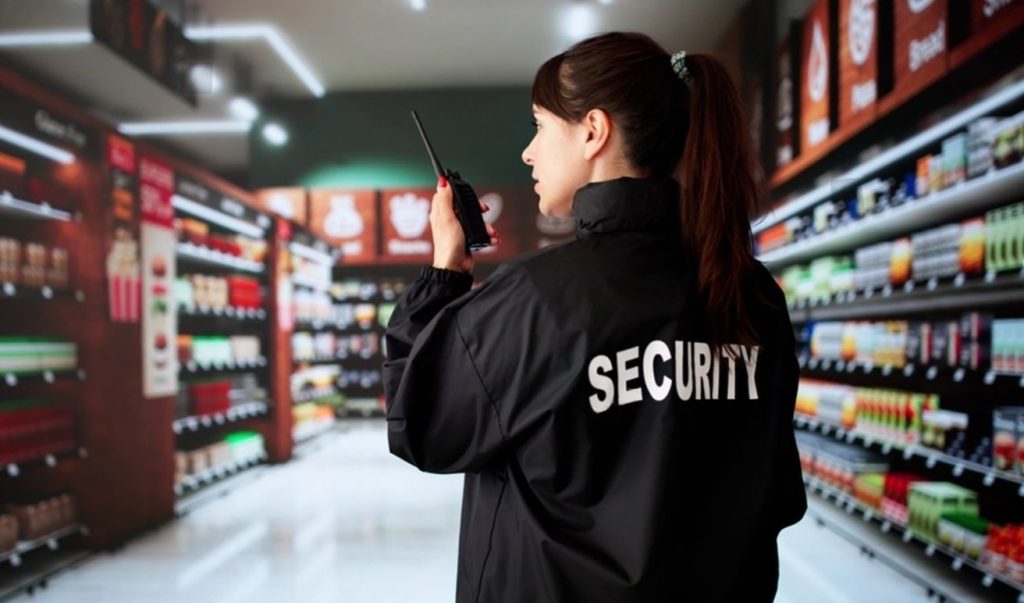
Late at night, a supermarket feels different. There are fewer people around, and small moments carry more weight. Having a security guard on site helps steady that environment. Staff know there is someone watching the wider picture, not just the till or the aisle they are working in. That alone can change how situations unfold.
People also behave differently when oversight is clear. Most problems slow down or stop before they go anywhere. Staff do not feel they have to deal with difficult behaviour on their own while still trying to keep the store moving.
Over a shift, this shared responsibility lowers stress. It helps the night run more smoothly, with issues handled early and calmly instead of after tension has already taken hold.
Access control and monitored entry points
At night, stores work better when movement is easy to follow. Staff should know which doors are in use and which areas are closed. Places like stock rooms, offices, and back corridors need clear limits so no one is caught off guard. When these limits are clear, staff can get on with their work without feeling the need to watch every space.
Deliveries often come in during quiet hours, when fewer people are around. This makes simple checks more important. Using fewer entry points helps keep track of who is coming and going. For staff on shift, this cuts out doubt. The store feels calmer, and routines are easier to manage from start to finish.
Clear escalation and support pathways
When something feels wrong, staff need to know exactly what to do next. Clear escalation paths remove hesitation. Employees should understand who to contact, how quickly support will arrive, and what steps to follow once an issue is raised.
This clarity reduces stress during uncertain moments and prevents delays caused by uncertainty. When support pathways are well understood, staff are more likely to speak up early. That early action often prevents minor concerns from turning into serious disruptions, which helps late-night shifts run more smoothly overall.
Integrating Security With Store Operations After Dark
Aligning security with night-shift workflows
Security works best at night when it fits around how the store actually runs. Restocking, cleaning, and closing tasks all happen on tighter timelines with fewer people around. Security should support these routines, not slow them down or sit outside them.
When guards understand where staff need space to work and when areas must stay clear, movement through the store feels smoother. This reduces friction and helps staff focus on their tasks without feeling watched or interrupted. Over time, this alignment lowers stress and keeps late shifts running to plan.
Communication between staff and security
Clear communication matters more after dark because there is less room for confusion. Staff need to feel confident that they can raise a concern and be understood right away. Simple check-ins, clear reporting, and agreed ways to ask for help remove doubt during tense moments.
When staff trust that support is close and responsive, they are more likely to speak up early. That early contact often prevents small issues from growing into larger problems, which keeps the store calm and controlled.
Consistency across locations
For businesses that run more than one store, consistency becomes a safety issue. When security standards vary from site to site, staff can feel unsure about what to expect. This uncertainty increases risk, especially for employees who move between locations.
Consistent approaches help set clear expectations and make support predictable. Over time, this steadiness builds confidence and reduces mistakes during late-night operations, even when stores differ in size or layout.
Conclusion
Late-night shifts change how a supermarket operates. The store may be quieter, but fewer staff, slower support, and uncertain behaviour can make simple situations feel heavier. This is where preparation matters most. When risks are thought through in advance and routines are easy to follow, staff are not left guessing or coping alone. A practical focus on supermarket staff safety gives people confidence to do their jobs without added strain. Clear roles, familiar processes, and visible support tend to prevent problems before they grow. In the long run, that quiet stability is what keeps late-night operations steady and manageable.
FAQs
Why is staff safety more challenging during late-night supermarket shifts?
Late shifts usually have fewer people on duty. Support is thinner, and help can take longer to arrive. The store may be quieter, but behaviour can change near closing time. Staff often juggle restocking, cleaning, and customer service at once. When attention is split, small problems feel harder to manage, which makes supermarket staff safety more fragile without clear routines in place.
Do supermarkets have a legal duty to protect night-shift staff?
Yes. The duty of care applies at all hours. Employers must look at risk, put sensible controls in place, and review them as hours change. Working at night does not lower this duty. In many cases, it calls for more care because conditions are different.
How does visible security reduce incidents without confrontation?
People tend to behave differently when support is visible. A calm presence can stop issues before they start. Staff also feel more at ease knowing someone is nearby. This often removes the need for raised voices or firm action.
Are lone workers at higher risk in overnight supermarket operations?
Often, yes. Lone workers spend time in quieter spaces like stock rooms or car parks. With fewer colleagues close by, delays feel longer. Clear routines and visible oversight help reduce that risk.
How can supermarkets balance cost and staff safety after hours?
The balance comes from planning around real risk. Targeted support, simple procedures, and steady routines often protect staff without overspending. Over time, prevention usually costs less than fixing repeated problems.