Reliability is one of those words that sounds simple until something goes wrong. People assume they’ll recognise it when they see it. In security, that assumption usually comes too late.
Most failures don’t start with dramatic mistakes. They start quietly. A guard arrives late one evening. A patrol is skipped because “nothing ever happens there.” A report gets written fast and vaguely, just to get it done. None of these feels serious on its own. Over time, they stack up.
Security today is woven into daily life. Office buildings expect it to work without interruption. Residential properties depend on it to stay calm and predictable. Events assume it will hold steady even when crowds grow restless. When security works, it fades into the background. When it doesn’t, everyone notices.
This article isn’t about pricing, service packages, or equipment. It focuses on something more basic. The qualities that make a reliable security company dependable over time.
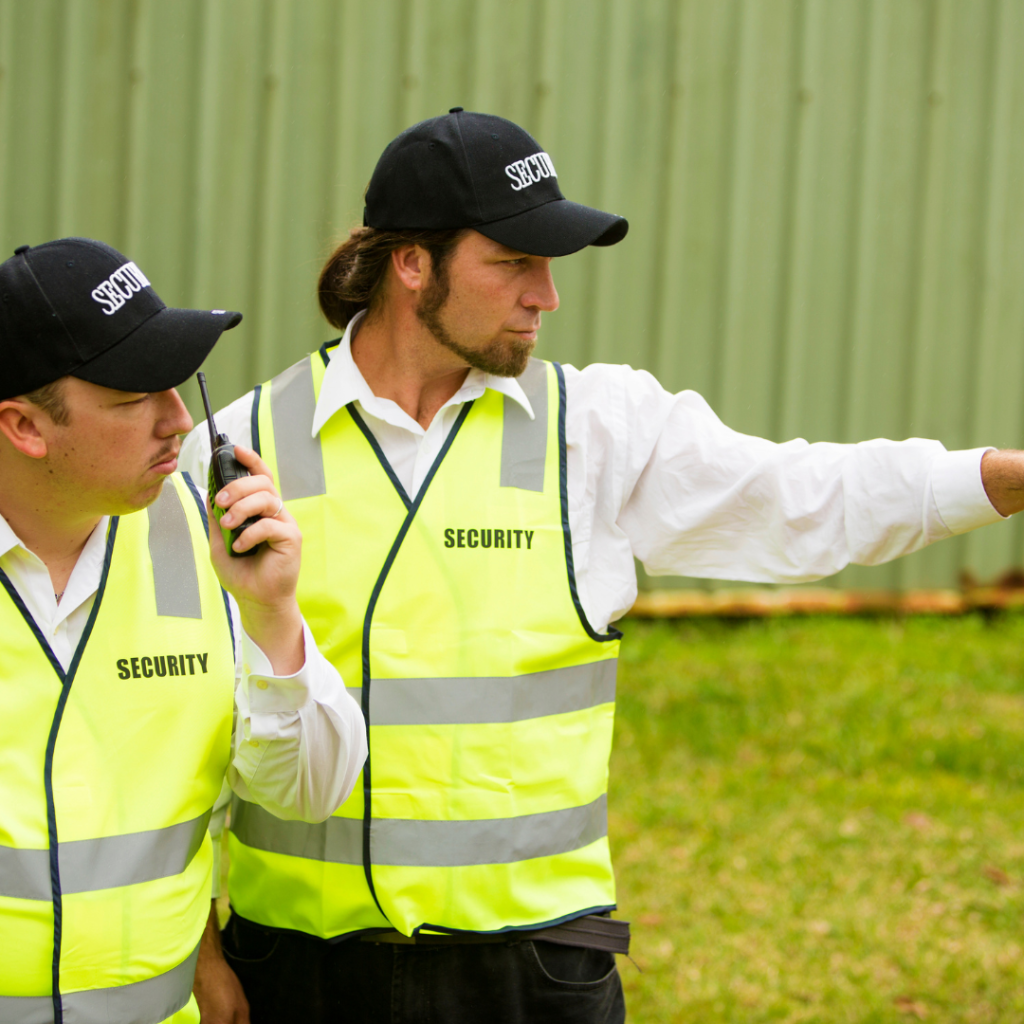
Understanding Reliability in the Security Industry
Reliability in security isn’t about bold claims. It’s about repetition. Doing the right thing once doesn’t count for much. Doing it every shift does. That matters because the environment doesn’t pause for anyone.
Things happen constantly. According to the GOV.UK, UK police logged around 6.6 million offences in the year to June 2025. Even with a modest 1% dip from the year before, that’s still millions of moments where something went wrong somewhere, quickly, unexpectedly, and often without a second chance to reset.
At that scale, reliability stops being a nice idea. It turns practical. Someone turns up. Someone stays switched on. Procedures don’t loosen just because it’s been quiet lately.
And the pressure isn’t evenly distributed. Some incidents move fast. Very fast. In the year ending March 2025, police recorded roughly 53,000 offences involving knives or sharp instruments. These aren’t slow-building situations. When they kick off, hesitation costs time, and time isn’t available.
This is where reliability actually shows itself, not in dramatic moments, but in the dull ones. Guards stick to routines even when no one’s checking. Access rules aren’t bent. Patrols still happen on nights when nothing seems likely to happen. Especially then.
Basic service delivery is about presence: a uniform on-site and a familiar face. Reliable security goes further. It absorbs pressure without cracking. It keeps functioning when attention drifts, and fatigue sets in.
And that consistency adds up. People relax when patterns don’t change without reason. Trust forms quietly. When reliability slips, everything turns reactive. Decisions rush. Small issues stack. That’s usually where control starts to unravel.
Core Qualities That Define a Reliable Security Company
Proven Operational Consistency
Consistency in security is not exciting. That’s kind of the point. When things are working, they feel boring. Guards show up when they’re supposed to. Posts stay covered. Nobody has to chase anyone down to ask where they are.
Reliable scheduling matters more than people think. Missed shifts and uneven patrols create gaps, even if they’re short. And gaps tend to invite problems. A dependable routine removes guesswork. Everyone knows what’s happening and when.
Over time, this steadiness adds up. There are fewer disruptions. Fewer last-minute fixes. Less scrambling when something changes. Operational consistency doesn’t draw attention to itself, but when it’s missing, the difference is obvious very quickly.
Professional Training Standards and Skill Readiness
Training isn’t something you “finish” in security. If it is, that’s usually a bad sign. Situations change, risks shift, and people forget things faster than they expect.
Ongoing training keeps skills sharp. It’s what turns theory into instinct. A guard who understands situational awareness notices small changes before they turn into problems. Someone trained in conflict handling knows when to step in and when to slow things down instead.
Pressure is where training shows up. Not in perfect conditions, but in loud, messy moments when decisions have to be made quickly. Reliable security means responding without panic, sticking to protocol even when adrenaline kicks in. That kind of control doesn’t come from guesswork. It comes from preparation.
Strong Internal Management and Supervision
Good security rarely happens by accident. It’s managed. Supervision keeps standards from drifting. Reporting systems catch patterns early. Accountability ensures problems don’t get ignored just because they’re inconvenient.
Without internal oversight, lapses become habits. Guards cut corners. Communication weakens. Coverage gaps grow slowly, often unnoticed until something happens.
Strong management doesn’t hover. It supports consistency. Supervisors check in, correct issues, and keep expectations clear. When management is steady, frontline performance tends to be steady too. That stability is easy to overlook, but hard to replace.
Clear Communication and Responsiveness
Reliability depends on communication more than many realise. When something changes, clients expect timely updates. When incidents occur, reports must be accurate and complete.
Clear communication builds confidence. It shows that nothing is being hidden or ignored. Reliable providers document events clearly and share relevant details without delay. This transparency helps clients make informed decisions and plan responses.
Responsiveness matters just as much. Questions should not linger. Concerns should not be brushed aside. A dependable operation responds quickly, even when the issue seems minor. Over time, this responsiveness becomes part of the trust relationship.
Ethical Conduct and Trustworthiness
Security work involves access. Personnel may enter private spaces, handle sensitive information, or observe daily routines. Ethical conduct is not optional in these environments.
Background screening and clear codes of conduct help reduce risk. More importantly, they set expectations. Guards understand what behaviour is acceptable and what is not. Ethical standards guide decisions when rules alone are not enough.
Trust develops slowly and breaks quickly. A reliable security company protects that trust through consistency, honesty, and accountability. Without integrity, even the most advanced systems lose their value.
Why Choosing a Reliable Security Company Matters Long-Term
Short-term security failures are obvious. Long-term unreliability is quieter and often more damaging. When consistency drops, risk increases. Assets remain exposed. Staff feel uncertain. Operations lose stability.
Over time, people stop trusting the security setup altogether. Reliability reduces these risks by limiting human error and neglect. When routines hold, fewer gaps appear. Issues are addressed early rather than ignored.
There’s also a psychological benefit. When security runs smoothly, managers stop worrying about coverage. Residents feel safer without visible tension. Visitors sense order even if they can’t explain why.
Most importantly, reliability supports prevention. Dependable security discourages incidents before they happen. Over time, prevention costs less than reaction, both financially and operationally.
Common Misconceptions About Security Reliability
One common belief is that large companies are always more reliable. Size can help, but it doesn’t guarantee consistency. Smaller providers can be just as dependable when systems are strong.
Another misconception links reliability directly to technology. Cameras and monitoring tools matter, but they don’t replace judgment. Technology supports security. It doesn’t create discipline.
Branding also misleads people. Uniforms and logos don’t reflect internal standards. Low turnover, supervision, and training discipline matter far more than appearance. True reliability comes from daily habits, not surface impressions. Understanding that helps filter out signals that don’t actually predict performance.
How to Identify a Reliable Security Company Before Hiring
Reliability leaves traces. Clear documentation is one of them. Written procedures show how incidents are handled and how coverage is maintained. Vague answers usually point to vague systems.
Consistency in communication matters too. When questions receive direct responses, it suggests accountability. When answers shift, reliability may be lacking.
Stability is another indicator. Long-standing routines, structured reporting, and clear supervision all point toward security company operational consistency. Constant changes often signal deeper issues.
Finally, reliability should fit the environment. A dependable solution for a quiet office may not work for a busy event. Aligning expectations with actual needs helps identify dependable security solutions for businesses and other settings.
Reliable Security Company as a Foundation of Effective Protection
A reliable security company does more than provide presence. It delivers consistency that people can depend on. Reliability isn’t an add-on. It’s the base layer. Without it, even skilled personnel and advanced tools fall short.
Within the broader security knowledge, reliability stands as a core principle. It shapes daily performance and long-term outcomes. When reliability is present, security becomes steady, predictable, and effective without drawing attention to itself.
FAQs
What defines a reliable security company?
Consistency, professionalism, and accountability over time. Reliable providers meet expectations without frequent lapses or excuses.
Is reliability more important than technology in security services?
Yes. Technology supports security, but people determine how well it works in real situations.
Can small security firms be reliable?
Absolutely. Reliability depends on standards and discipline, not company size.
How does reliability affect long-term security outcomes?
Consistent performance reduces risk, prevents incidents, and builds trust over time.
Why is reliability critical in general security planning?
Because plans fail without follow-through, reliability keeps protection functioning when pressure increases.